Composite Fillings: Benefits, Process, and Longevity

Composite fillings restore damaged teeth using tooth-colored resin that bonds to enamel and dentin. At Q & A Dental Care, this material is commonly used to preserve natural tooth structure while improving appearance and function in cases of decay or minor fractures. Composite is often chosen for visible areas because it blends closely with surrounding teeth while providing reliable support.

Quick Facts

  • What it is: Tooth-colored resin used to repair cavities or minor damage
  • Who it is for: Patients with mild to moderate decay, chips, or worn areas
  • Main benefits: Natural appearance, structure preservation, functional support
  • Limitations: May wear over time under higher bite pressure
  • Timeline / durability: Typically completed in one visit; may last 5–10+ years depending on conditions

What Are Composite Fillings?

Composite fillings are resin-based restorations designed to rebuild tooth structure while maintaining a natural appearance.

They consist of:

  • Resin matrix – provides flexibility
  • Filler particles – enhance strength and wear resistance
  • Bonding agents – help attach the material to enamel and dentin

Example: A small cavity in a front tooth can often be restored to closely match the surrounding enamel.

When aesthetics and conservative treatment are priorities, composite is frequently preferred over metal-based materials.

When Are Composite Fillings Recommended?

Composite fillings may be recommended when damage is localized and enough tooth structure remains intact.

Common indications include:

  • Early-stage cavities
  • Minor chips or fractures
  • Worn enamel (often from grinding)
  • Replacement of older fillings for improved appearance

If structural loss is more extensive, other options such as crowns may be discussed.

How Composite Fillings Work

Composite fillings bond directly to the tooth, helping create a sealed surface that can reduce bacterial entry.

The process generally includes:

  • Removing decay
  • Preparing the tooth surface
  • Placing composite in layers
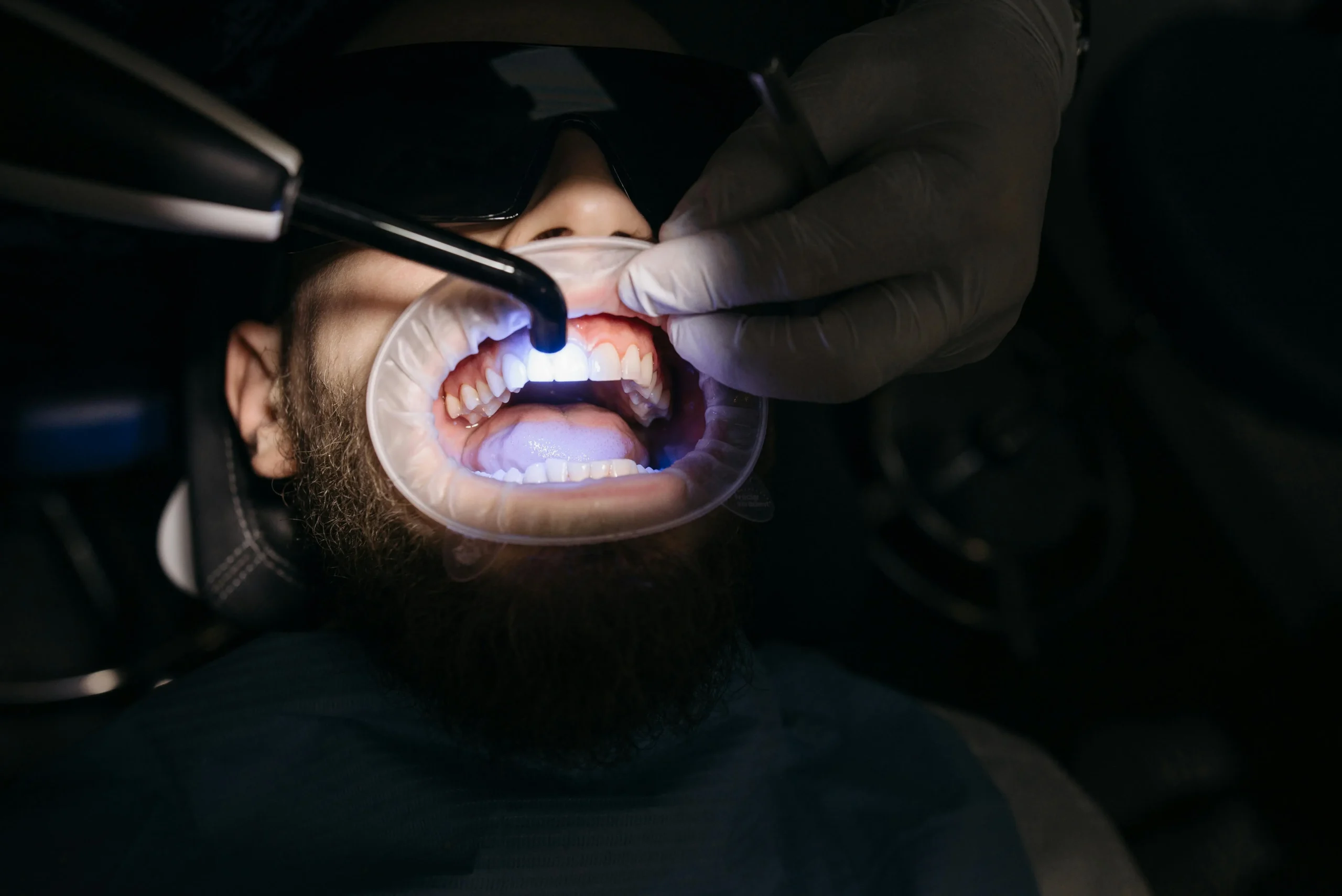
  • Hardening with a curing light
  • Shaping and polishing

Example: A molar may be restored in layers to better handle chewing forces.

Benefits of Composite Fillings

Composite fillings offer several advantages:

  • Blend naturally with surrounding teeth
  • Preserve more healthy tooth structure
  • Bond directly to enamel and dentin
  • Can be used for small repairs and cosmetic adjustments
  • May reduce temperature sensitivity compared to some materials

When properly placed and maintained, they can provide durable support.

Limitations of Composite Fillings

Composite fillings may have some limitations:

  • Can wear faster in high-pressure areas
  • Placement requires careful technique
  • May stain over time
  • Longevity varies depending on habits and oral health

For teeth under heavy stress, alternative restorations may sometimes be recommended.

Composite Fillings vs Other Materials

Composite vs Amalgam

  • Composite: Tooth-colored, bonds to tooth
  • Amalgam: Silver-colored, relies on mechanical retention

Composite vs Ceramic

  • Composite: Direct placement, same-day
  • Ceramic: Lab-made, typically more wear-resistant

Composite vs Glass Ionomer

  • Composite: Stronger and more aesthetic
  • Glass ionomer: Releases fluoride but less durable

Material selection depends on location, function, and patient preferences.

Cost of Composite Fillings

Cost can vary based on:

  • Size of the cavity
  • Tooth location
  • Number of surfaces involved
  • Diagnostic and treatment complexity

Treating decay early may help keep procedures simpler and more cost-efficient.

Composite Fillings Procedure: Step-by-Step

Most composite fillings are completed in a single visit:

  1. Examination and diagnosis
  2. Local anesthesia (if needed)
  3. Decay removal
  4. Tooth isolation
  5. Bonding preparation
  6. Composite placement in layers
  7. Light curing
  8. Shaping and polishing

A well-contoured filling helps distribute bite pressure more evenly.

Composite Fillings for Front vs Back Teeth

Front Teeth

  • Focus on appearance and detail
  • Lower bite pressure

Back Teeth

  • Focus on strength and durability
  • Higher chewing forces

Technique and material thickness are especially important for back teeth.

Signs You May Need a Composite Filling

  • Sensitivity to sweets or temperature
  • Visible dark spots or discoloration
  • Small pits or surface changes
  • Food getting stuck in certain areas
  • Mild discomfort when chewing

Early evaluation may help prevent further progression.

What Happens If Cavities Are Not Treated?

Untreated decay can gradually progress and may lead to:

  • Deeper tooth damage
  • Infection of inner tooth structures
  • Increased risk of tooth fracture

In more advanced cases, more complex treatments may be required.

Common Reasons Composite Fillings May Fail

  • New decay forming around the filling
  • Grinding or clenching
  • Moisture affecting bonding during placement
  • Gradual wear over time
  • Larger restorations under stress

Managing these factors can help improve longevity.

How Dentists Determine If Composite Is Appropriate

Dentists typically consider:

  • Extent and depth of decay
  • Tooth location
  • Bite pressure and habits
  • Ability to maintain a dry working area
  • Patient preferences

If needed, alternative treatments may be discussed.

How Long Do Composite Fillings Last?

Composite fillings often last 5–10 years or longer, depending on:

  • Tooth location
  • Bite force
  • Oral hygiene habits
  • Diet

Regular care may help extend their lifespan.

How to Care for Composite Fillings

  • Brush and floss consistently
  • Attend routine dental checkups
  • Avoid chewing very hard objects
  • Use a nightguard if recommended

Good habits help reduce the risk of wear or failure.

Cosmetic Uses of Composite Fillings

Composite may also be used for minor cosmetic improvements, such as:

  • Closing small gaps
  • Repairing minor chips
  • Smoothing uneven edges
  • Improving localized discoloration

It is often considered a conservative cosmetic option.

Lifestyle Factors That Affect Longevity

  • Frequent sugar intake
  • Inconsistent oral hygiene
  • Teeth grinding or clenching
  • Regular exposure to staining foods and drinks

Managing these factors may help maintain results.

Are Composite Fillings Safe?

Composite fillings are widely used and generally considered safe for most patients.

  • Mercury-free
  • Commonly well-tolerated
  • Suitable for a variety of situations

If you have specific concerns, your dentist can discuss material options.

When to Replace Composite Fillings

You may need evaluation if you notice:

  • Cracks or fractures
  • Gaps at the edges
  • Noticeable discoloration
  • Signs of new decay

Early assessment can help determine the appropriate next step.

FAQs

Are composite fillings better than silver fillings?
They offer improved aesthetics and bonding but may wear faster in high-pressure areas.

Do composite fillings hurt?
The procedure is usually well-tolerated, and local anesthesia may be used when needed.

Can composite fillings stain?
They can discolor over time, especially with frequent exposure to staining substances.

How soon can I eat after treatment?
You can usually eat shortly after, though avoiding very hard foods initially is often recommended.

What to Do Next

Composite fillings can help restore teeth affected by decay or minor damage while preserving natural structure. The most suitable treatment depends on factors such as the size of the cavity, bite pressure, and overall oral health.

If you are noticing sensitivity, visible changes, or signs of decay, a dental evaluation can help clarify the cause and available options.

Schedule a consultation with Q & A Dental Care to receive a personalized assessment and discuss whether composite fillings or another treatment approach is appropriate for your needs.

New Patient Special

new patient special q a dental
Only
$99
Includes Exam & X-Rays
Call Now
Limited-time offer. Book today!
Location
1011 E Aurora Rd Suite 1, Macedonia, OH 44056, US
Checking
Get Directions
Office Hours
Monday9:00 AM – 7:00 PM
Tuesday9:00 AM – 2:00 PM
Wednesday9:00 AM – 7:00 PM
Thursday9:00 AM – 7:00 PM
Friday8:00 AM – 1:00 PM
SaturdayClosed
SundayClosed
**Fridays are administrative hours only.
chevron-downmenu-circlecross-circle