Choosing between bonding and veneers can feel oddly dramatic. One small chip, one coffee stain, or one front tooth that insists on being a little more noticeable than the others, and suddenly it seems like a full committee should weigh in.
That committee is usually made up of internet before-and-after photos, one friend with strong opinions, and a budget spreadsheet that now thinks it went to dental school. Underneath all that, though, this is a fairly straightforward cosmetic dentistry decision. Both treatments can improve the shape, color, and symmetry of teeth, but they work differently, last differently, and fit different goals. If you want a broader overview, see the benefits of cosmetic dentistry.
For a wider look at the category these treatments fall under, read our blog on what cosmetic dentistry entails.
The short version is this: bonding is usually more conservative and less expensive, while veneers often provide a more durable and more dramatic cosmetic change. Neither is automatically better. The right choice depends on what is being corrected, how your bite functions, how much natural tooth structure is available, and how long-lasting you want the result to be.
At Q & A Dental Care, patients in Macedonia, OH, and nearby communities can explore personalized cosmetic dentistry treatments based on their needs and smile goals. Whether someone is considering a small cosmetic repair or a more complete smile upgrade, the team provides guidance on whether bonding or veneers may be the better fit.
Dental bonding uses a tooth-colored resin, which is a sculptable composite material similar to what many dentists use for tooth-colored fillings. The resin is applied directly to the tooth, shaped to improve form or cover a defect, then hardened with a curing light and polished.
Bonding is often used for small chips, narrow gaps, worn edges, minor shape differences, and localized discoloration that may not respond well to whitening. In many cases, it can be done in one visit and may require little to no removal of healthy enamel, which is the tooth’s outer protective layer.
That conservative approach is one of bonding’s biggest advantages. If the issue is modest and the tooth is otherwise healthy, bonding can offer a meaningful cosmetic improvement without turning the appointment into a tiny construction project.
Veneers are thin custom shells that cover the front surface of a tooth. They are usually made from porcelain, though composite veneer options also exist. Porcelain is especially popular because it reflects light in a way that can look very natural and tends to resist staining better than resin.
To place veneers, a dentist often removes a small amount of enamel so the restoration can fit properly and look natural rather than bulky. Impressions or digital scans are then used to design the veneer, which is bonded to the tooth at a later appointment unless same-day systems are available.
Veneers get so much attention because they can change several things at once. They may improve color, shape, length, the appearance of alignment, and symmetry in a way that bonding sometimes cannot match as predictably over time. They are not magic, despite what social media and very flattering lighting may suggest, but they can be an excellent option in the right case.
The main difference is not just what they are made of. It is how much change is needed, how durable the result should be, and how much tooth preparation makes sense.
Bonding is usually best for smaller corrections. Veneers are often better for broader cosmetic redesign, especially when several front teeth need to look more uniform. If one tooth has a tiny chip, bonding may be enough. If multiple teeth are discolored, uneven, and worn, veneers may offer a more stable and coordinated result.
Another major difference is longevity. Bonding can look very good, but it is generally more prone to chipping, edge wear, and staining over time. Veneers, particularly porcelain veneers, tend to hold color and polish better and often last longer when properly maintained.
Then there is reversibility, or at least the question of long-term commitment. Bonding often preserves more natural tooth structure. Veneers may require enamel removal, which means the decision is usually less reversible. That does not make veneers unsafe or inappropriate. It simply means the choice deserves careful planning instead of a rushed decision.
Both can look natural when done well. Both can also look unconvincing when planned badly, rushed, or used for the wrong problem.
Bonding can blend beautifully for small repairs, especially when the surrounding tooth color is healthy and stable. A skilled dentist can layer and contour resin in a way that is difficult to notice in everyday conversation.
Porcelain veneers often provide the most lifelike finish for larger cosmetic changes because porcelain can mimic enamel translucency more consistently and maintain that appearance longer. This matters most in the front teeth, where light reflection, surface texture, and symmetry are hard to fake.
If the goal is a subtle repair, bonding may look completely natural. If the goal is a broader smile makeover, veneers may produce a more polished and uniform result.
This is where real life shows up carrying coffee, tea, red wine, sparkling water, and maybe a stress habit involving ice cubes. Bonding is more vulnerable to staining and surface wear than porcelain. Over time, the resin may lose some polish, pick up discoloration, or chip at the edges, especially in patients who clench, grind, or bite hard objects.
Veneers are not indestructible, but porcelain is generally more stain-resistant and wear-resistant. That makes veneers appealing for patients who want a longer-lasting cosmetic result and are willing to invest more upfront.
Still, durability is not only about material. Bite forces matter. Nail biting matters. Using front teeth as package-opening tools definitely matters, even if people keep pretending that is a normal use for incisors.
A dentist may recommend a night guard if there are signs of bruxism, which means clenching or grinding. That kind of protection can help either treatment last longer.
Bonding is usually less expensive per tooth than veneers. It often takes less lab work, less preparation, and fewer appointments. For a small cosmetic correction, that can make bonding the more sensible choice.
Veneers typically cost more because they involve more planning, more customization, and often a laboratory-fabricated restoration. The fee may also reflect the complexity of smile design, the material used, and the level of esthetic detail required.
The cheaper option is not always the better value, and the more expensive option is not automatically the smarter one. If bonding will likely need more touch-ups or replacement for a specific problem, veneers may make more sense long term. If the issue is minor and localized, veneers may be excessive.
In other words, the budget spreadsheet deserves a vote, but not sole custody of the decision.
Bonding may be a strong option when the cosmetic issue is small and the underlying tooth is healthy. Common examples include a minor chip, a small gap, slightly uneven edges, or one tooth with a shape difference that stands out in photos more than in real life.
It may also make sense for younger patients or anyone who wants a conservative first step before committing to a more involved treatment. In some cases, bonding can serve as a useful preview of shape changes before considering veneers later.
Bonding is often attractive when preserving enamel is a priority. That said, not every tooth is a good bonding candidate. If the bite places heavy stress on the area or the defect is large, the restoration may be more likely to fail.
Veneers may be the better fit when several front teeth need coordinated cosmetic improvement. They are often considered for teeth with persistent discoloration, visible enamel defects, worn or shortened edges, or shape and size differences that affect the overall smile.
They can also be useful when a patient wants a more durable and stable esthetic result than bonding is likely to provide. If the goal includes changing color and contour across multiple teeth, veneers often allow better control of the final appearance.
That said, veneers are not a shortcut around untreated dental disease or bite problems. If there is active decay, gum inflammation, or significant grinding, those issues usually need attention first. Cosmetic treatment works best when the foundation is healthy, which is less glamorous than a makeover montage but much more responsible.
Sometimes the real answer is neither bonding nor veneers, at least not yet. If teeth are crowded, orthodontic treatment may be more appropriate. If discoloration is caused by internal tooth changes, old restorations, or enamel loss, the treatment plan may need a different approach.
Large fractures, deep decay, or structurally weakened teeth may require crowns or bridges or other restorative care instead of a cosmetic surface treatment. Gum contour problems can also affect smile appearance, and in some cases the issue is not the tooth itself.
This is why a proper exam matters. A cosmetic complaint may look simple in the mirror but involve bite mechanics, enamel thickness, previous dental work, or gum health.
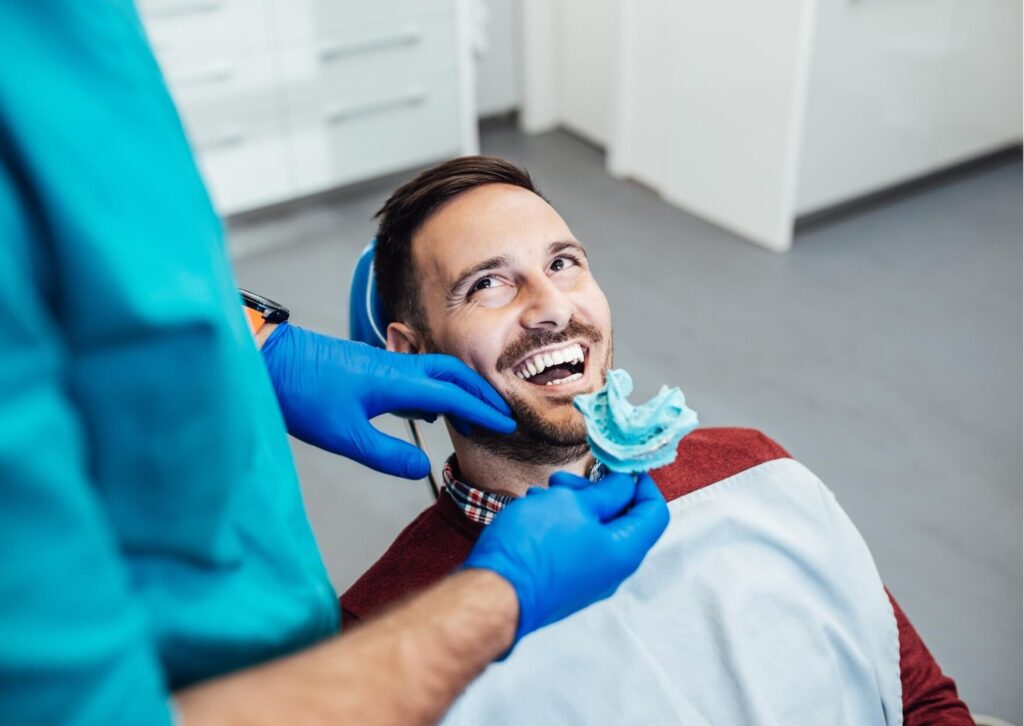
A good consultation should be specific, not theatrical. It helps to ask what problem is actually being treated, how much natural tooth structure would need to be altered, how long the result typically lasts in similar cases, and what maintenance may be needed.
Useful questions include:
If the explanation feels vague, rushed, or built entirely around a photo wall, getting a second opinion is reasonable. Cosmetic dentistry should still be dentistry, not a game show with financing.
A chipped or discolored tooth is not always just a cosmetic issue. Prompt dental evaluation is important if there is significant pain, sensitivity that is worsening, swelling, bleeding around the tooth, a loose tooth, or a crack that extends toward the gumline.
If you have severe symptoms or signs of infection, seek emergency dentistry care rather than waiting to decide between bonding and veneers. Facial swelling, fever, trouble swallowing, or severe pain can suggest a more urgent dental problem and should not be handled as a routine bonding-or-veneer question. Trauma to a front tooth also deserves timely assessment, even if the damage looks minor at first.
Cosmetic treatment is elective. Infection, fracture, nerve injury, and active disease are not.
Bonding and veneers can both improve the look of chipped, uneven, or discolored teeth, but the right choice depends on more than appearance alone. Factors like durability, enamel preservation, bite function, and long-term maintenance all play a role in determining which treatment makes the most sense for your smile.
If you are considering bonding or veneers, our team at Q & A Dental Care in Macedonia, OH can help you compare your options with a personalized cosmetic evaluation.
Call (330) 888-1299 today to schedule a consultation and learn which treatment best fits your goals, lifestyle, and dental health needs. We also accommodate same-day visits and see patients from Glenwillow, Northfield, and surrounding areas.
Usually, yes. Bonding is often less expensive per tooth, especially for small repairs, though long-term maintenance needs can affect overall value.
In many cases, yes. Porcelain veneers generally resist staining and wear better than bonding, but longevity depends on bite forces, oral habits, and maintenance.
Bonding usually requires little to no removal of healthy enamel, so it is often considered a conservative treatment. Suitability still depends on the condition of the tooth and the bite.
Veneers are generally considered a long-term treatment, and placement often involves removing a small amount of enamel. That means the decision is usually not fully reversible.
It depends on the problem being corrected. Bonding can look excellent for small chips or shape changes, while veneers often provide a more uniform and durable esthetic result across several front teeth.
For one small chip, bonding is often the first option considered because it is conservative and efficient. A dental exam is still important to check for deeper cracks, bite stress, or other structural concerns.
| Monday | 9:00 AM – 7:00 PM |
| Tuesday | 9:00 AM – 2:00 PM |
| Wednesday | 9:00 AM – 7:00 PM |
| Thursday | 9:00 AM – 7:00 PM |
| Friday | 8:00 AM – 1:00 PM |
| Saturday | Closed |
| Sunday | Closed |