Gingivitis is one of those dental problems that can start quietly. You skip flossing a few times, brush a little too quickly, and suddenly your gums seem ready to file a formal protest.
That protest has a name: gingivitis is early gum inflammation. It usually happens when plaque, a sticky film of bacteria, builds up along the gumline and irritates the surrounding tissue.
The good news is that gingivitis is common and often reversible with proper dental care and better plaque control. The less pleasant news is that ignoring it can let the problem progress into periodontal disease, which affects the deeper structures that support your teeth.
At Q & A Dental Care in Macedonia, OH, our preventative dentistry team provides the kind of preventive cleanings and regular dental checkups.
Plaque is the main cause of gingivitis. It collects on teeth every day, especially near the gums, and if it is not removed well, the bacteria in that film can trigger inflammation.
If plaque stays in place too long, it can harden into tartar, also called calculus. That rough buildup gives bacteria more places to cling, making the gums harder to keep healthy.
A few common factors can make gingivitis more likely:
The bacteria start the problem, but the redness and swelling come from your body’s immune response. In other words, plaque lights the match, and the gums react.
Healthy gums are usually firm and do not bleed easily. Their color can range from pale pink to deeper brown, depending on natural pigmentation.
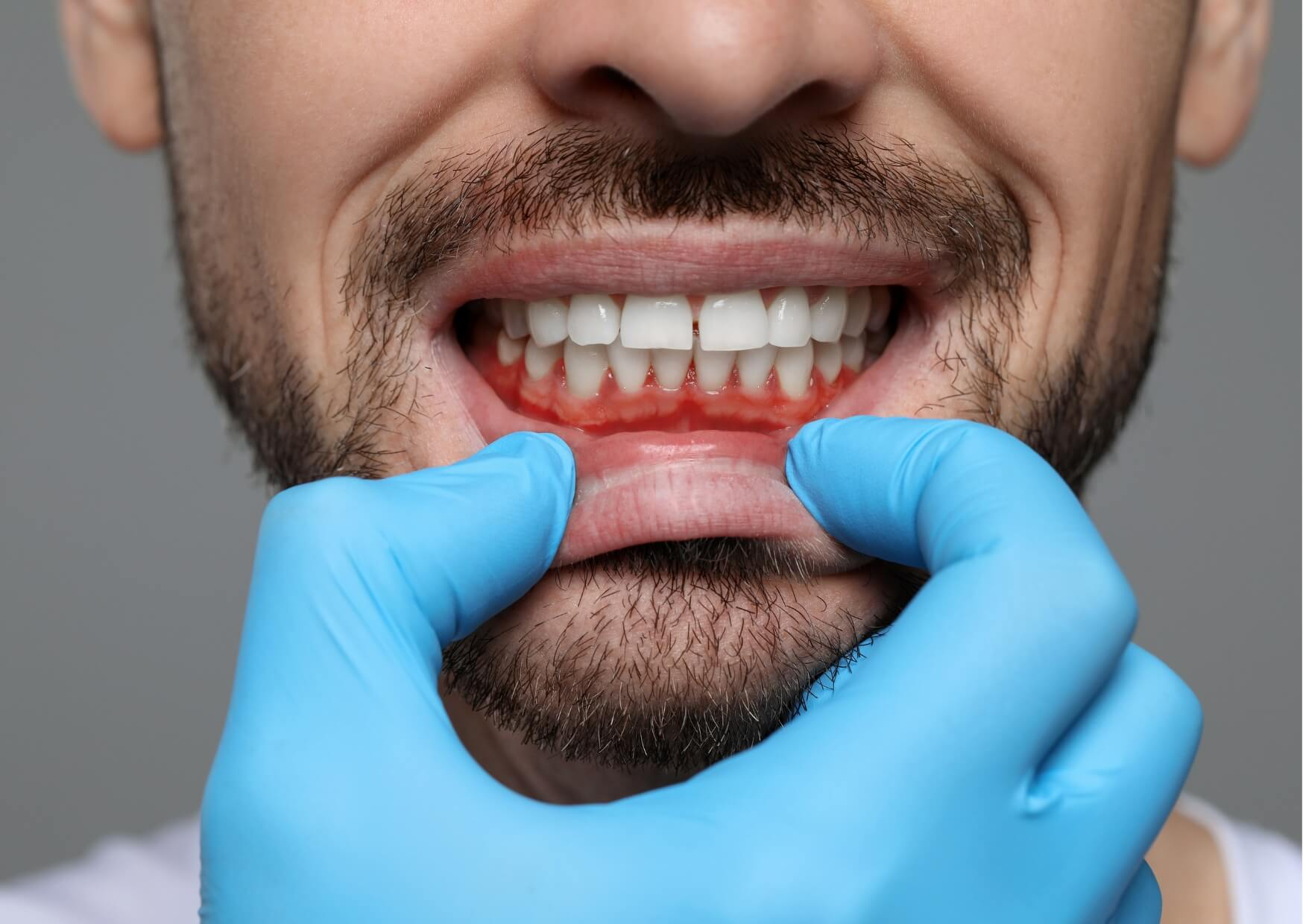
With gingivitis, the gums may look redder, shinier, swollen, or puffy around the teeth. One of the most common signs is bleeding when brushing or flossing.
Other symptoms may include:
Gingivitis does not always hurt. That is part of what makes it easy to ignore, even when the gums are clearly asking for better treatment.
Gingivitis affects the gums, but it does not usually damage the bone or connective tissue that hold teeth in place. If inflammation continues, it can progress to periodontitis, a more serious form of gum disease involving deeper soft tissue and bone.
If gum disease advances, a specialist in periodontics may be needed to treat the deeper problem. A general dentistry exam is usually the first step to evaluate bleeding gums, confirm gingivitis, and coordinate treatment or referrals.
That visit should be scheduled soon if gum bleeding keeps happening for more than a week or two despite better home care. Prompt evaluation is also wise if there is worsening swelling, persistent bad breath, visible tartar, or gums pulling away from the teeth.
Seek emergency dental care sooner if there is facial swelling, pus, severe pain, fever, trouble swallowing, or a rapidly spreading area of redness. Those signs can point to a more serious infection or another problem that should not wait.
A dentist usually diagnoses gingivitis with a clinical exam, a review of symptoms, and a close look at how the gums respond during gentle probing around the teeth. No crystal ball required.
The dentist may check for bleeding, swelling, plaque, tartar, and changes in gum shape. X-rays may also be used to see whether there is any bone loss, which helps distinguish gingivitis from more advanced periodontal disease.
This matters because not every red or sore gum problem is caused by plaque alone. Mouth breathing, poorly fitting appliances, certain health conditions, and less common inflammatory disorders can also irritate the gums.
Treatment usually starts by removing the cause. In simple terms, that means getting plaque and tartar off the teeth and improving daily home care so the gums can settle down.
A preventative care cleaning is often the key first step. Regular dental cleanings also help keep plaque under control and lower the risk of the problem coming back.
After cleaning, the dentist may recommend changes such as:
In many cases, the gums improve within days to a few weeks once the bacterial load is reduced. If inflammation does not improve as expected, the dentist may check for deeper gum disease or another contributing issue.
Often, yes. Gingivitis can often be reversed when it is caught early and the plaque causing the inflammation is controlled with professional cleaning and better home care.
That does not mean the gums forgive chaos overnight. They usually respond to steady, consistent care, not one heroic flossing session right before an appointment.
The key difference is that gingivitis is generally reversible, while the tissue and bone damage from periodontitis is not fully reversible. That is why early treatment matters so much.
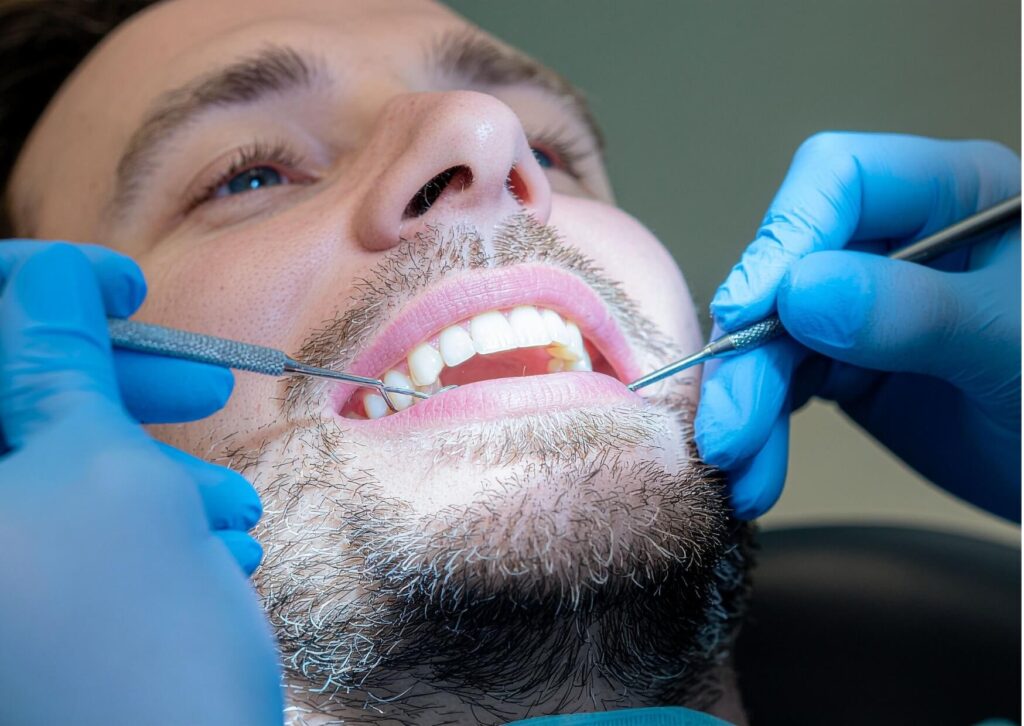
Prevention always works. Most people lower their risk by cleaning along the gumline every day, cleaning between the teeth, and keeping routine dental visits.
Regular exams matter because plaque and tartar collect in places that are easy to miss. This is especially true around molars, crowded teeth, and older fillings or crowns.
It also helps to pay attention to patterns. If your gums bleed repeatedly, feel swollen, or look different from normal, that is worth mentioning to a dentist instead of hoping your toothbrush is just being dramatic.
For a more detailed guide on options and next steps, see our article on how to prevent and treat gum disease.
The practical takeaway is simple: treat gum bleeding as a sign worth checking. Doing that early can save you time, discomfort, and more involved treatment later.
If you're in Macedonia, OH, or nearby Glenwillow or Mayfield Heights, Q & A Dental Care offers preventative dentistry to help reverse early gum disease; call (330) 888-1299 to schedule an appointment.
Gingivitis is inflammation of the gums, usually caused by plaque buildup near the gumline. It often leads to redness, swelling, and bleeding with brushing or flossing.
No. Gingivitis may cause little or no pain, which is one reason it is easy to overlook.
It may improve if plaque is removed effectively, but persistent symptoms should be evaluated by a dentist. If tartar is present, professional cleaning is usually needed.
Not always. Gingivitis is a common cause, but bleeding can also happen from brushing too hard, irritation from appliances, or more advanced gum disease.
Schedule a dental evaluation if bleeding keeps happening, gets worse, or comes with swelling, bad breath, gum recession, or tenderness. Seek prompt care sooner if there is severe pain, pus, facial swelling, or fever.
| Monday | 9:00 AM – 7:00 PM |
| Tuesday | 9:00 AM – 2:00 PM |
| Wednesday | 9:00 AM – 7:00 PM |
| Thursday | 9:00 AM – 7:00 PM |
| Friday | 8:00 AM – 1:00 PM |
| Saturday | Closed |
| Sunday | Closed |