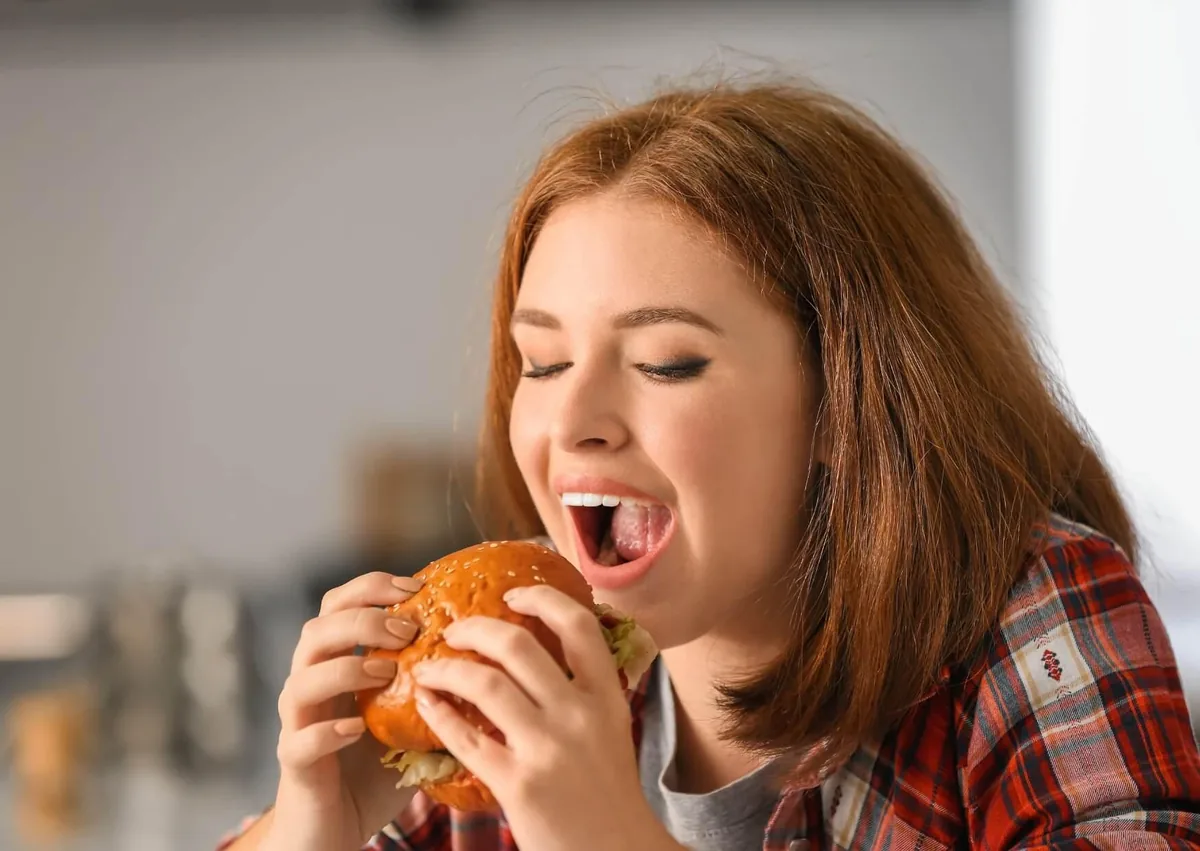
Most people should wait about 7 days before trying a soft burger, and longer if chewing still hurts or the extraction was difficult. Thick, chewy, crispy, or heavily topped burgers often need to wait 10 to 14 days, and some people do not feel fully comfortable with normal foods for several weeks.
Your oral surgeon’s instructions take priority because healing varies by the number and position of teeth removed, whether stitches were placed, and whether complications develop. Do not rely on the calendar alone. You should also be able to chew without renewed bleeding or increasing pain.
If you're wondering whether your wisdom tooth extraction recovery is on track for returning to solid foods like burgers, understanding typical healing steps after extractions can help you decide when to try firmer textures. Q & A Dental Care in Macedonia, OH can review your healing progress and explain how extraction type and socket care affect safe chewing.
For most people, the first week is too soon for a regular burger. Chewing can strain tender tissue, and bread, meat fibers, seeds, and toppings can collect in the extraction sockets.
A cautious timeline usually looks like this:
|
Time After Removal |
Typical Food Texture |
Is A Burger Appropriate? |
|---|---|---|
|
First 24 hours |
Cool or lukewarm liquids and very soft foods |
No |
|
Days 2 to 3 |
Foods requiring little or no chewing |
No |
|
Days 4 to 7 |
Soft foods with gentle chewing, as tolerated |
Usually not until near the end of this period |
|
Days 7 to 14 |
Gradual return to more substantial foods |
A soft, simple burger may be reasonable |
|
After 2 weeks |
Normal diet as comfort allows |
Often yes, unless healing is delayed |
These ranges are general, not guarantees. Lower wisdom teeth and impacted teeth may need a slower return to firm foods, and complex cases may be managed by oral surgery. If you want to know when extractions require surgical management, read signs you need oral surgery.
A blood clot forms in each socket after extraction. That clot protects the bone and nerves underneath, and strong chewing can disturb it. For typical socket recovery, see our normal socket healing.
Burgers create several problems at once. The bun may be chewy, ground beef can break into small pieces, and toppings like onions, pickles, bacon, sesame seeds, and shredded lettuce can get trapped near the healing sites.
A large burger also requires a wide mouth opening, which can be uncomfortable when your jaw is stiff. Swelling often peaks around day 2 or 3, so temporary worsening during that window does not always mean something is wrong.
You may be ready when you can open your mouth comfortably and chew soft foods without significant pain. Bleeding should have stopped, swelling should be improving, and pain should be stable or getting better.
For your first try, choose a small, soft burger with a tender bun and minimal toppings. Cut it into small pieces, chew slowly, and use the side of your mouth away from the healing area when possible.
Stop if chewing causes pain, throbbing, or bleeding. Wait longer if the burger is tough, crusty, spicy, or very hot.
During the first day, choose smooth foods such as yogurt, applesauce, pudding, or lukewarm blended soup. Avoid straws, and follow your surgeon’s instructions about when to start rinsing or brushing near the extraction sites.
As soreness improves, add foods like scrambled eggs, oatmeal, mashed potatoes, soft pasta, cottage cheese, and flaky fish. Smoothies can work if you eat them with a spoon, but avoid berries, seeds, or other small particles that can lodge in a socket.
Advance textures gradually based on comfort. If a new food causes throbbing, bleeding, or more soreness, go back to softer foods and try again later.
Take small bites and chew gently. Do not probe the sockets with your finger, a utensil, or your tongue, and do not try to remove trapped food with sharp objects.
After the first 24 hours, warm saltwater rinsing is often recommended after meals, but follow the specific instructions from your dental professional. Do not swish or spit forcefully, especially early in healing.
Smoking and vaping can delay healing and raise the risk of dry socket. Keep all follow-up appointments, especially if you had impacted teeth, bone removal, or stitches. Some patients find adjuncts such as red light therapy helpful to reduce inflammation and improve comfort, but discuss this with your clinician.
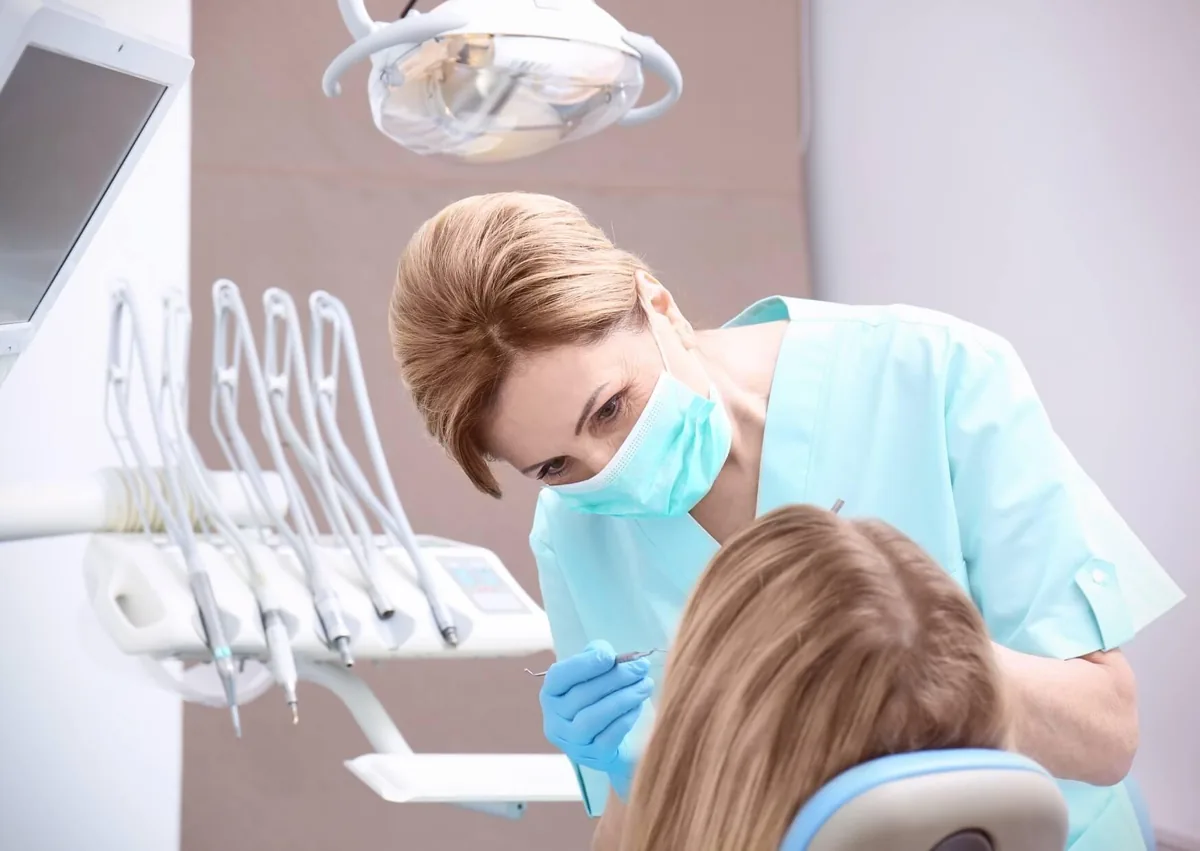
Contact the treating dentist or oral surgeon if chewing causes bleeding that does not settle with the pressure method in your postoperative instructions. You should also be evaluated for pain or swelling that worsens after first improving, fever, pus, a persistent bad taste, or worsening trouble opening your mouth.
Severe throbbing pain that starts a few days after surgery and may spread toward the ear can happen with dry socket. Seek prompt dental care rather than putting medication, food, or home remedies into the socket. If pain is severe or sudden, contact emergency dentistry.
Get urgent medical help for trouble breathing or swallowing, rapidly increasing facial or neck swelling, uncontrolled bleeding, or signs of a serious allergic reaction. If symptoms are persistent, worsening, or unclear, the dental professional who performed the extraction should assess healing and tell you when normal chewing is safe.
If you develop worsening pain, persistent bleeding, or signs of infection after trying firmer foods, arrange an evaluation to check healing and treat issues like dry socket promptly. Call Q & A Dental Care for extractions in Macedonia, OH and nearby Twinsburg or Aurora at (330) 888-1299 to schedule an appointment or ask about same-day availability.
Usually, no. At 3 days, the sockets are still vulnerable, swelling may be near its peak, and a burger usually requires more chewing than is ideal.
Some people can eat a small, soft burger after 7 days if pain and swelling are improving and chewing feels comfortable. Wait longer if the extraction was complex or the burger is tough, crunchy, or heavily topped.
Yes. Meat fibers, bread, seeds, and small toppings can collect in the sockets, especially early in healing. Follow your clinician’s cleaning instructions and avoid picking at the area.
Many people return to a near-normal diet within 1 to 2 weeks. Complete comfort can take longer after difficult extractions, so your healing progress matters more than a fixed date.
| Monday | 9:00 AM – 7:00 PM |
| Tuesday | 9:00 AM – 2:00 PM |
| Wednesday | 9:00 AM – 7:00 PM |
| Thursday | 9:00 AM – 7:00 PM |
| Friday | 8:00 AM – 1:00 PM |
| Saturday | Closed |
| Sunday | Closed |