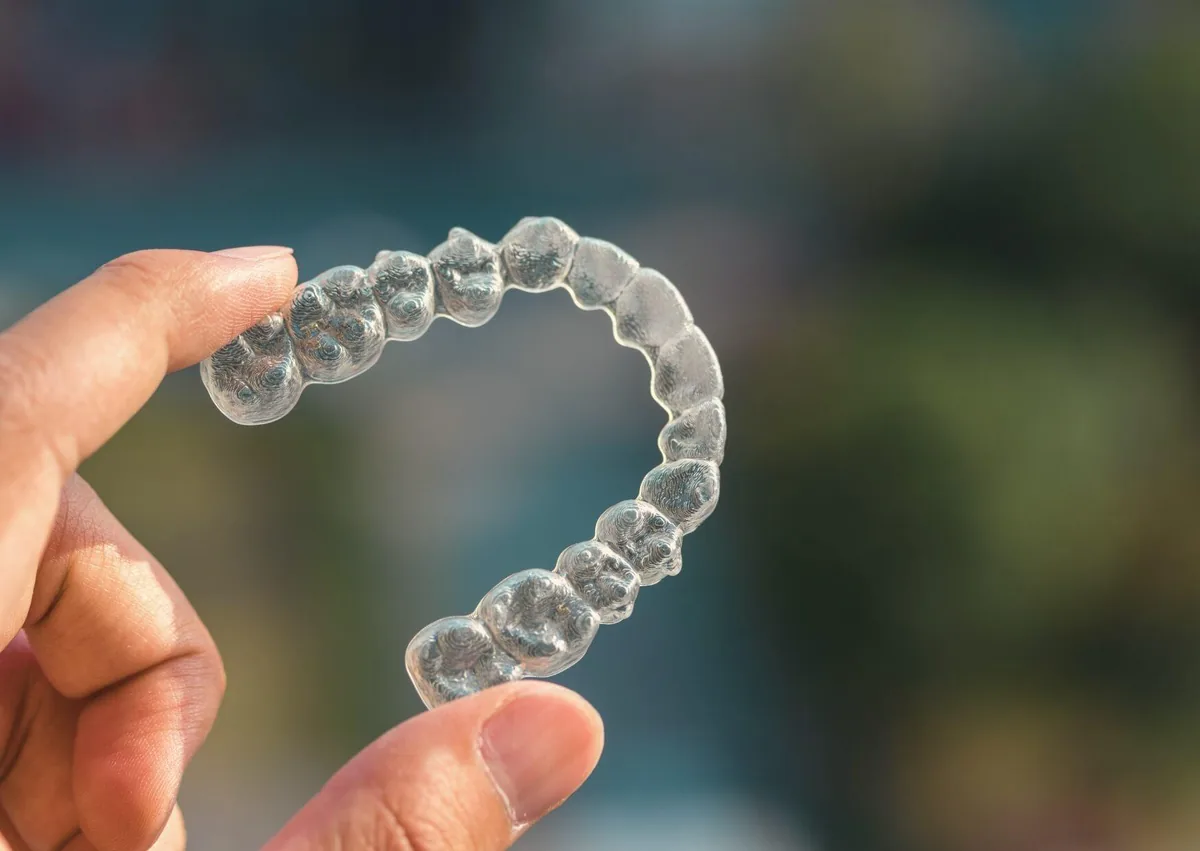
In the United States, a retainer usually costs about $100 to $500 per arch for a removable retainer and about $250 to $600 per arch for a permanent bonded retainer. The exact price depends on the type of retainer, where you live, how customized it is, and whether follow-up visits or adjustments are included.
If you're weighing options for retainers or concerned about fit after orthodontic treatment, an orthodontic evaluation can clarify which appliance and fee are right for your mouth. Q & A Dental Care in Macedonia, OH, can help by reviewing scans, explaining costs, and recommending the simplest next steps.
Retainers keep teeth in place after braces or Invisalign treatment. See our complete guide to Invisalign for more on clear aligners.
|
Retainer Type |
Typical Cost |
Key Considerations |
|---|---|---|
|
Clear plastic |
$100 to $300 per arch |
Discreet, but can crack, warp, or discolor |
|
Hawley |
$150 to $500 per arch |
Durable and adjustable, but more visible |
|
Permanent bonded |
$250 to $600 per arch |
Stays in place, but requires careful cleaning |
An arch means one row of teeth, either upper or lower. If you need retainers for both arches, the total may be roughly double the single-arch price, although some offices offer a package rate.
These are general U.S. estimates, not guaranteed fees. For example, one university clinic lists Hawley retainers at $360 per arch.
Retainer fees may include digital scans or impressions, lab work, materials, the fitting visit, and later adjustments. Prices also vary by region and by how complex the tooth positions are to maintain.
Some orthodontic treatment plans include the first set of retainers, while others charge separately. Before treatment ends, ask whether the quote covers one or both arches, the delivery visit, adjustments, and any replacement warranty.
A bonded retainer may cost more upfront because it must be shaped and attached carefully. If the wire loosens or breaks later, repair or replacement is usually a separate charge.
A replacement retainer often costs about the same as the original one. The fee may be lower if the office already has a usable digital scan or model.
A new exam or scan may be needed if your teeth have shifted or the office no longer has an accurate record. That can add to the total cost.
Do not force a retainer that no longer fits. Mild pressure can happen after missed wear, but significant pain, a visible gap, or trouble seating it fully may mean the appliance is damaged or your teeth have moved.
Contact the orthodontic office promptly after losing or breaking a retainer because teeth can keep moving. Do not try to reshape plastic with hot water or repair a retainer with household glue.
Dental insurance coverage varies widely. Some orthodontic benefits include the first retainer as part of comprehensive treatment, but replacement retainers are often excluded or limited.
Retainers may qualify for HSA or FSA use, depending on current plan rules. Ask your plan administrator and request an itemized receipt from the dental office.
When comparing prices, ask for the total out-of-pocket cost. A lower quote may leave out scans, office visits, repairs, or a storage case.
Wear your retainer exactly as prescribed. Instructions vary based on your treatment and how stable your tooth position is.
When you are not wearing a removable retainer, store it in a ventilated case. Do not wrap it in a napkin or leave it loose in a pocket or bag.
Clean it as directed, usually with cool or lukewarm water and a soft brush. Avoid hot water, dishwashers, direct sunlight, and other heat sources because plastic retainers can warp.
Keep retainers away from pets, which commonly chew them. Bring the appliance to regular dental or orthodontic checkups so cracks, buildup, distortion, or a loose bonded wire can be caught early.
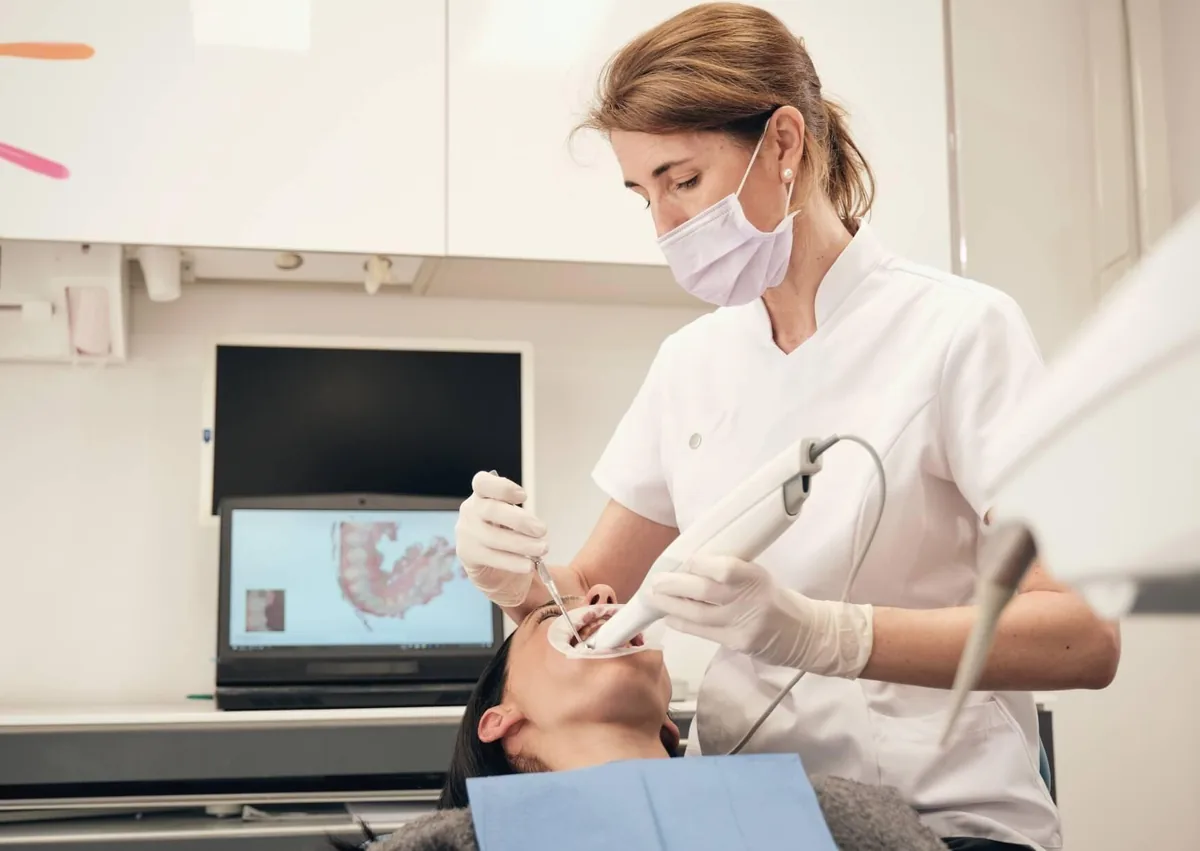
Schedule an evaluation if your retainer is lost, cracked, sharp, loose, or no longer fits as directed. You should also be seen for persistent pain, worsening gum irritation, bleeding around a bonded retainer, or noticeable tooth movement.
Seek urgent dental care for major facial swelling, uncontrolled bleeding, dental trauma, fever with worsening oral swelling, or trouble swallowing or breathing. Otherwise, timely professional care can determine whether you need an adjustment, repair, replacement, or a different type of retainer.
If your retainer is lost, damaged, or no longer fits, arrange a professional evaluation to determine repair or replacement and avoid tooth movement. Call Q & A Dental Care for orthodontics in Macedonia, OH and nearby Twinsburg, OH or Aurora, OH at (330) 888-1299 to book an appointment.
Sometimes. Some treatment contracts include one set of retainers, while others charge separately, so review the agreement or ask the orthodontic office.
There is no fixed replacement schedule. Clear retainers may wear out sooner, while Hawley and bonded retainers can last for years with proper care.
Any retainer should be replaced if it becomes damaged or stops fitting correctly.
It can be, but not always. Bonded retainers are less likely to be lost, yet they may still need repair, maintenance, or eventual replacement.
Mail-order products may cost less, but they do not replace an in-person evaluation of tooth position, gum health, bite, and fit. An improperly fitting appliance may be uncomfortable or fail to hold your teeth in the right position.
| Monday | 9:00 AM – 7:00 PM |
| Tuesday | 9:00 AM – 2:00 PM |
| Wednesday | 9:00 AM – 7:00 PM |
| Thursday | 9:00 AM – 7:00 PM |
| Friday | 8:00 AM – 1:00 PM |
| Saturday | Closed |
| Sunday | Closed |