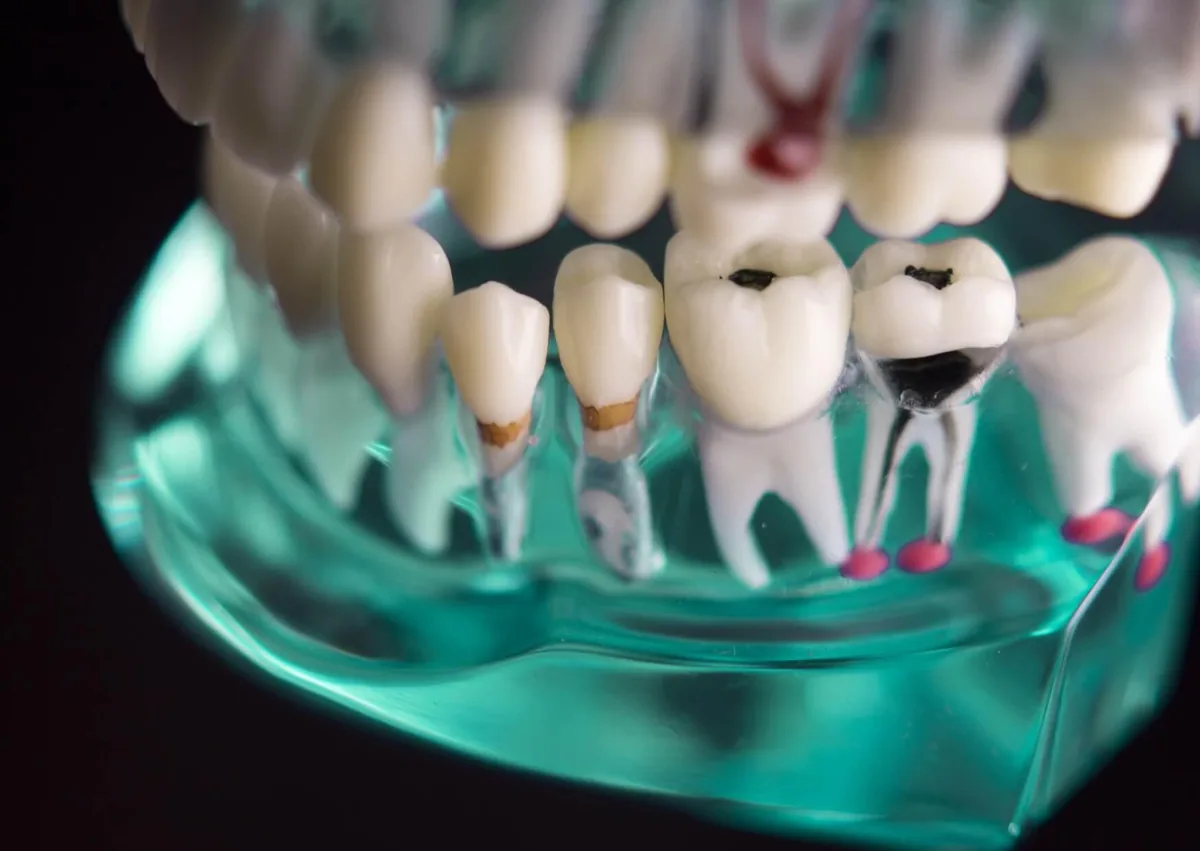
A cavity usually takes months to several years to form, not just a few days. The exact timeline depends on how often your teeth are exposed to sugar and acid, how well saliva protects your mouth, your fluoride exposure, and whether early enamel damage is caught before it turns into a hole.
Early enamel damage may sometimes be stopped or reversed with fluoride and better daily care. Once decay creates a physical hole in the tooth, it cannot heal on its own and usually needs treatment such as tooth-colored fillings.
If you're worried about early enamel changes or want to reduce your risk of cavities, preventative dentistry helps identify problems before they progress. Q & A Dental Care in Macedonia, OH provides cleanings, fluoride treatments, and risk-focused exams to protect teeth and reduce the need for more invasive care.
Cavities develop in stages rather than all at once. Plaque bacteria feed on sugars and starches, then produce acids that pull minerals out of enamel during repeated acid attacks.
Saliva and fluoride can help replace some of those lost minerals between exposures. When mineral loss keeps happening faster than repair, the weakened area can progress into a cavity.
|
Stage |
What Is Happening |
Possible Signs |
|---|---|---|
|
Enamel starts losing minerals, sometimes within weeks or months of frequent acid exposure |
Usually no symptoms; a dentist may notice a white or chalky spot |
|
|
Enamel decay |
Damage moves through the hard outer layer, often over months or years |
Often no pain; mild sensitivity may occur |
|
Dentin decay |
Decay reaches the softer layer under enamel and can spread faster |
Sensitivity, discomfort, or a visible hole |
|
Pulp involvement |
Bacteria approach or enter the inner tissue with nerves and blood vessels |
Persistent pain, temperature sensitivity, or swelling |
These are general patterns, not exact deadlines. A dental exam and X-rays, when needed, are the best ways to tell how far decay has progressed.
How often your teeth face sugar matters most. Frequent snacking or sipping soda, juice, sports drinks, or sweetened coffee keeps teeth under repeated acid attack throughout the day.
Dry mouth also raises cavity risk because saliva helps neutralize acids, wash away food, and support remineralization. Dry mouth can be linked to medications, dehydration, certain health conditions, or radiation treatment involving the head and neck.
Deep grooves, crowded teeth, exposed roots, low fluoride exposure, and plaque buildup near the gumline can also speed up decay. Children often develop cavities faster because baby teeth have thinner enamel; for guidance on early visits, see our child's first dental visit.
Even teeth with fillings or crowns can still get decay. New cavities can form around the edges of older restorations if plaque collects there or the seal breaks down over time.
Usually, no. Early cavities often cause no pain or visible change, which is why decay can grow before you notice anything is wrong.
As the cavity gets deeper, you may feel sensitivity to cold, heat, sweets, or biting pressure. You might also notice a white spot, dark spot, rough area, food catching in one place, bad breath that does not improve with cleaning, or a visible pit.
Pain does not tell you exactly how deep a cavity is. Sensitivity can also come from gum recession, a cracked tooth, or enamel wear, so a dentist needs to check the area.
Good brushing helps, but it does not make cavities impossible. A person can still develop decay if plaque stays between teeth, sugar exposure is frequent, saliva is reduced, or early weak spots are not detected.
Brushing twice a day with fluoride toothpaste and cleaning between teeth daily lowers risk significantly. Fluoride supports remineralization, which is why early enamel damage may sometimes be slowed or reversed before a true cavity forms.
Brush twice a day with fluoride toothpaste and clean between your teeth once a day. After brushing, spit out the extra toothpaste instead of rinsing right away unless your dentist tells you otherwise.
Try to reduce frequent snacking and repeated sipping of sugary or acidic drinks. Plain water and having sweets with meals instead of between meals can reduce the number of acid attacks your teeth face.
Regular dental visits help catch early mineral loss and small cavities before they cause symptoms. Depending on your risk, a dentist may recommend fluoride treatments, prescription-strength toothpaste, sealants, or a personalized recall schedule; for more on why routine exams matter, see regular dental checkups.

Schedule a visit for general dentistry if you have lasting sensitivity, repeated pain, floss that keeps shredding in one spot, or a tooth with a new pit, rough edge, dark area, or broken section. Early care may preserve more tooth structure and keep treatment simpler.
Seek urgent dental care or contact emergency dentistry if you have severe or worsening tooth pain, swelling, pus, fever, or trouble opening your mouth. Trouble breathing or swallowing, rapidly spreading swelling, or swelling near the eye requires emergency medical care.
Even if nothing hurts, routine exams still matter because early decay can be hard to see and impossible to feel at home. A dentist can assess your risk and explain whether the best next step is monitoring, prevention, or a filling.
For persistent sensitivity or visible spots, a short preventative dentistry visit can clarify whether monitoring, fluoride, or a filling is needed. Call Q & A Dental Care in Macedonia, OH at (330) 888-1299 to book an appointment; we also welcome patients from Twinsburg and Aurora.
Early mineral loss can begin within weeks if teeth are exposed to frequent sugar or acid. A true hole usually takes longer, but decay can move faster in high-risk situations.
An early weak spot that has not formed a hole may be arrested or partly reversed with fluoride, saliva, diet changes, and good plaque removal. A cavity with lost tooth structure does not grow back and usually needs restoration.
There is no fixed timeline. Once decay reaches dentin, it often progresses faster because dentin is softer than enamel.
Usually not. Pain often appears after decay has already advanced, although toothaches can also come from cracks, gum problems, infection, or other dental issues.
| Monday | 9:00 AM – 7:00 PM |
| Tuesday | 9:00 AM – 2:00 PM |
| Wednesday | 9:00 AM – 7:00 PM |
| Thursday | 9:00 AM – 7:00 PM |
| Friday | 8:00 AM – 1:00 PM |
| Saturday | Closed |
| Sunday | Closed |