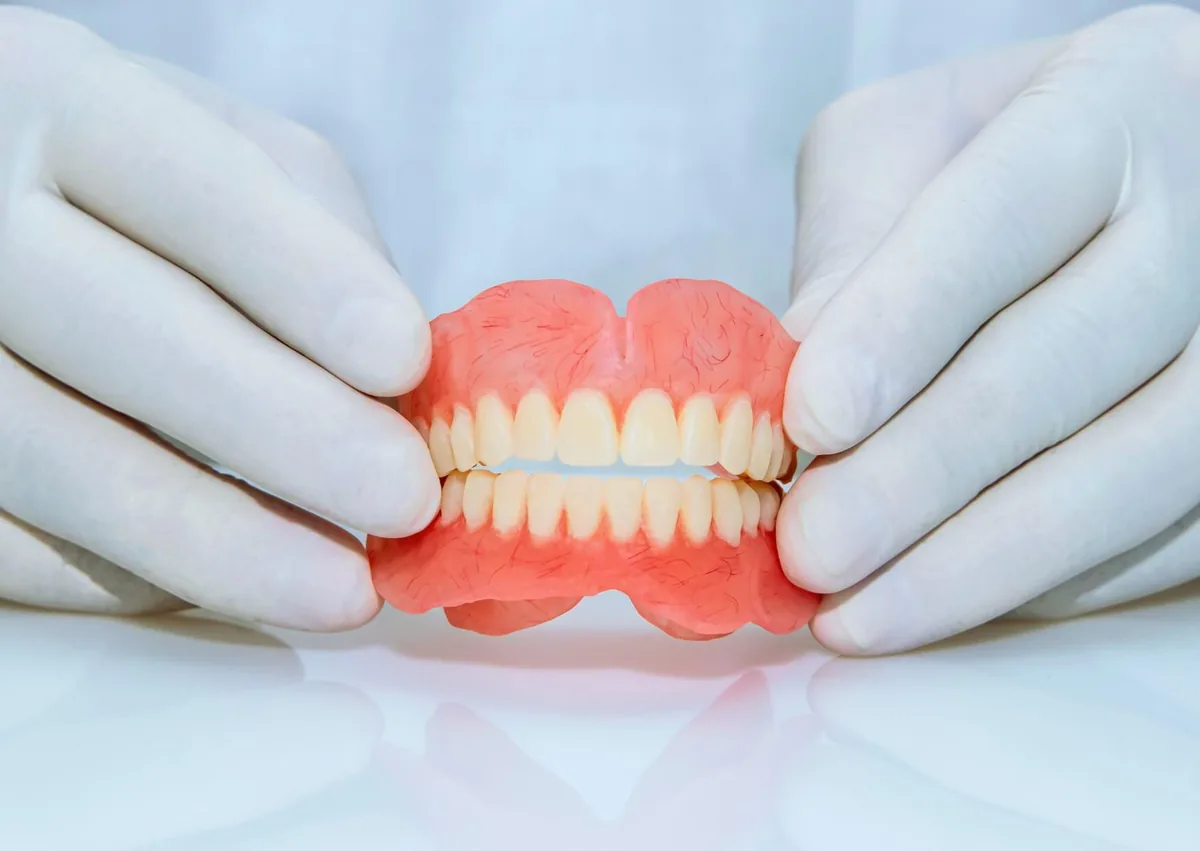
If you're asking how much dentures cost, a practical starting range is about $1,000 to $4,000 per arch before insurance for many conventional options. Basic dentures may cost less, while premium and implant-supported dentures can cost much more.
Your total cost depends on the type of denture, the materials used, whether you need extractions or other dental care first, and whether the quote includes adjustments or relines. These are broad educational ranges, not a personal estimate.
A dentist needs to examine your mouth and take X-rays when appropriate to confirm which option is safe and what the full cost may be. To understand how tooth loss can affect treatment choices, see our impact of missing teeth.
If you're weighing removable options for replacing several or all teeth, information about full and partial dentures can clarify differences in fit, function, and cost for your situation. At Q & A Dental Care in Macedonia, OH we help patients understand expected outcomes and realistic pricing before any procedure.
An arch means all the upper teeth or all the lower teeth. A full set replaces both arches, so a low advertised denture price may apply to only one arch.
For more on removable options, see our guide to comparing dental bridges and dentures.
|
Denture Option |
Approximate Cost Before Insurance |
Main Consideration |
|---|---|---|
|
Basic complete denture |
$600 to $1,500 per arch |
Lower-cost materials and fewer customization options |
|
Midrange or premium complete denture |
$1,500 to $4,000 or more per arch |
More customization, higher-quality teeth, and additional fitting steps |
|
Removable partial denture |
$700 to $2,500 or more |
Cost varies by acrylic, metal, or flexible framework |
|
Immediate denture |
$1,000 to $3,500 or more per arch |
Inserted soon after extractions and often needs later relining |
|
$5,000 to $25,000 or more per arch |
Surgery, implants, attachments, and restoration affect the total |
Fees vary widely by region and by clinical complexity. Always ask whether the quoted price covers only the denture or the full course of care.
Materials and design have a major effect on price. Premium denture teeth, reinforced bases, metal frameworks, and more detailed customization usually increase the fee.
The number of visits and lab steps also matters. More adjustments, more detailed impressions, and more personalized fitting often mean a higher total cost.
Your oral health can add costs before the denture is made. You may need an exam, X-rays, extractions, treatment for infection, or smoothing of uneven bone to create a healthier denture-bearing surface.
With implant-supported dentures, the total can rise because of planning, surgery, and restoration costs. The number and type of dental implants, available bone, possible grafting, sedation, and whether the final teeth are removable or fixed all affect the price; if you're comparing options, see our guide to dentures vs. implants.
Ask for a written treatment plan that lists each charge clearly. It should show whether the fee includes records, impressions, extractions, the lab-made denture, delivery, follow-up adjustments, relines, repairs, and any temporary or immediate denture.
Also ask how long adjustments are included and what happens as your gums and jaw change during healing. Immediate dentures often need adjustment or relining because tissues shrink after teeth are removed, and some patients later need a replacement.
If you are considering implant treatment, confirm whether the estimate includes imaging, surgery, implants, temporary teeth, attachment parts, the final denture, and maintenance. You can also review the typical schedule in our tooth implant timeline.
Ask whether more than one clinician or facility will bill separately. That question can prevent surprise costs later.
Dental insurance may pay part of the cost of dentures after your deductible. Coverage often depends on annual maximums, waiting periods, replacement limits, and exclusions.
Implants are often covered differently from conventional dentures, and some plans do not cover them at all. It is smart to confirm benefits before treatment starts.
Medicare usually does not cover routine dentures, though some Medicare Advantage plans include limited dental benefits. Medicaid coverage for dentures varies by state and eligibility category.
Some dental offices offer payment plans or third-party financing. Dental schools and community clinics may also provide lower-cost care, though treatment may take longer and availability can be limited.
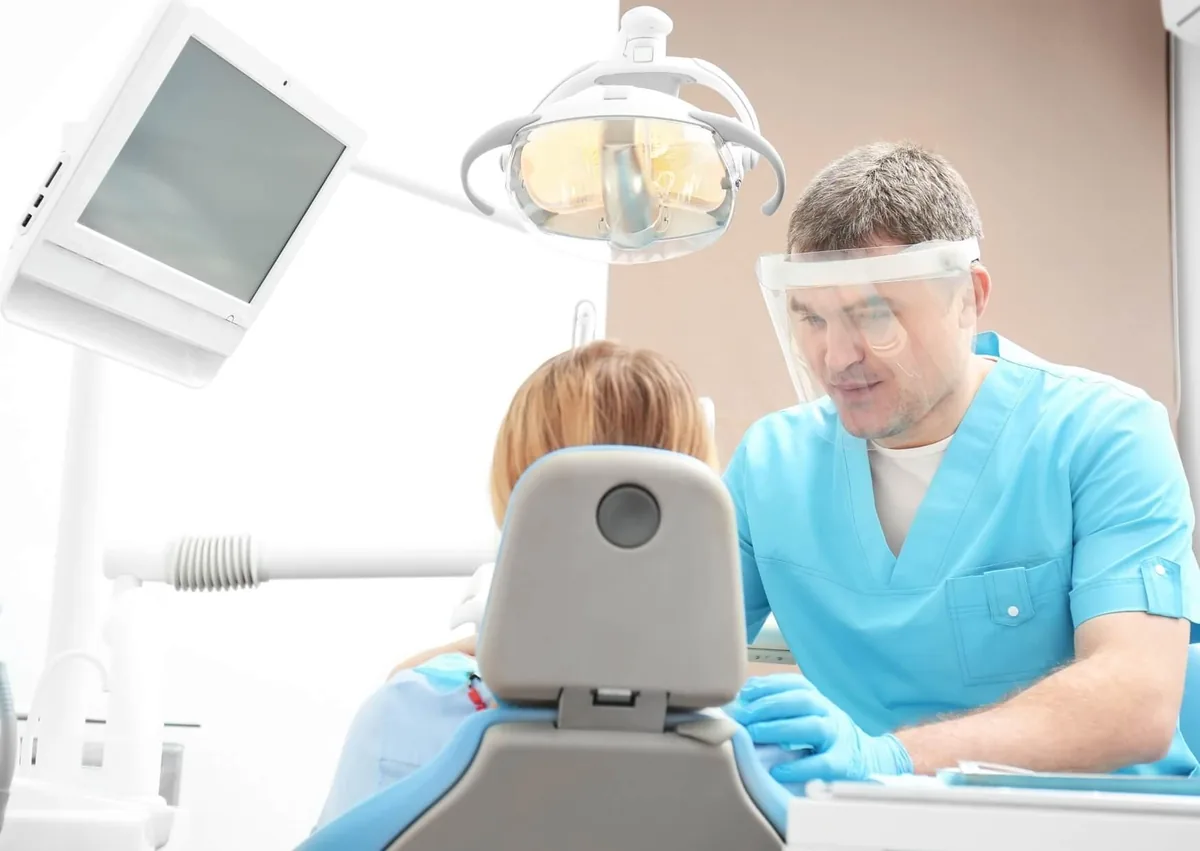
New dentures can feel bulky at first. Mild sore spots, extra saliva, and temporary changes in speech or chewing are common during the adjustment period.
Follow-up visits matter because dentures should not keep rubbing, cutting, or shifting on the gums. Ongoing irritation is not something you should ignore.
Start with soft foods cut into small pieces and chew slowly on both sides. Unless your dentist tells you otherwise, removable dentures are usually taken out at night so the tissues can rest.
Clean dentures every day with a denture brush and a cleaner made for that material. Avoid hot water, which can warp some dentures, and keep cleaning your gums, tongue, and any remaining teeth.
Schedule a dental visit if you have persistent soreness, a loose fit, repeated gagging, difficulty chewing, mouth sores that do not improve, or cracks in the denture. Do not try to adjust or repair dentures at home.
Household glues and do-it-yourself changes can damage the denture and irritate the tissues. Professional adjustment is safer and usually more effective.
Seek prompt care for worsening swelling, fever, pus, uncontrolled bleeding, severe pain, or trouble opening the mouth. Trouble breathing or swallowing requires emergency care.
Even if you no longer have natural teeth, regular dental exams still matter. They help check denture fit, gum health, jaw changes, and any suspicious oral lesions.
To get a personalized estimate and learn which denture approach best fits your needs, review treatment options and preparatory care with a clinician. Call Q & A Dental Care to discuss full and partial dentures in Macedonia, OH and nearby Twinsburg or Aurora; schedule an appointment at (330) 888-1299.
Dentures often last about 5 to 10 years, but that varies with wear, materials, fit, and changes in the jawbone. Some people need relining, repair, or replacement sooner if the denture becomes loose, painful, cracked, or hard to use.
Usually, yes. Many offices quote dentures by arch, so ask whether the price covers the upper denture, lower denture, or both.
They can be for some patients, especially when better stability and chewing function are important. A dentist can explain whether the likely benefits justify the surgery, maintenance, and higher cost in your case.
Some plans help pay for replacement dentures after a set number of years, but rules vary. A preauthorization or benefit review may help clarify expected coverage, though it is not always a guarantee of payment.
| Monday | 9:00 AM – 7:00 PM |
| Tuesday | 9:00 AM – 2:00 PM |
| Wednesday | 9:00 AM – 7:00 PM |
| Thursday | 9:00 AM – 7:00 PM |
| Friday | 8:00 AM – 1:00 PM |
| Saturday | Closed |
| Sunday | Closed |