At some point, many people discover that sleep is not the peaceful wellness retreat the internet promised. Instead, the jaw clocks in for an overnight demolition shift, the teeth file a silent complaint, and by morning the mouth feels like it spent eight hours chewing gravel for a government contract.
That is where nightguards for teeth grinding enter the story. They are not glamorous miracle gadgets, and they are definitely not permission to ignore the cause. They are practical dental appliances that may help protect teeth from the pressure and friction of grinding, also called bruxism. If your jaw is sore, your teeth look flatter, or a partner reports suspicious midnight crunching, a dental evaluation is worth taking seriously.
At Q & A Dental Care, patients in Macedonia, OH, and nearby areas can receive general dentistry care that includes evaluations for teeth grinding and custom nightguards. Our team works with individuals experiencing jaw soreness, tooth wear, or nighttime clenching to help determine whether a nightguard may be appropriate for their needs.
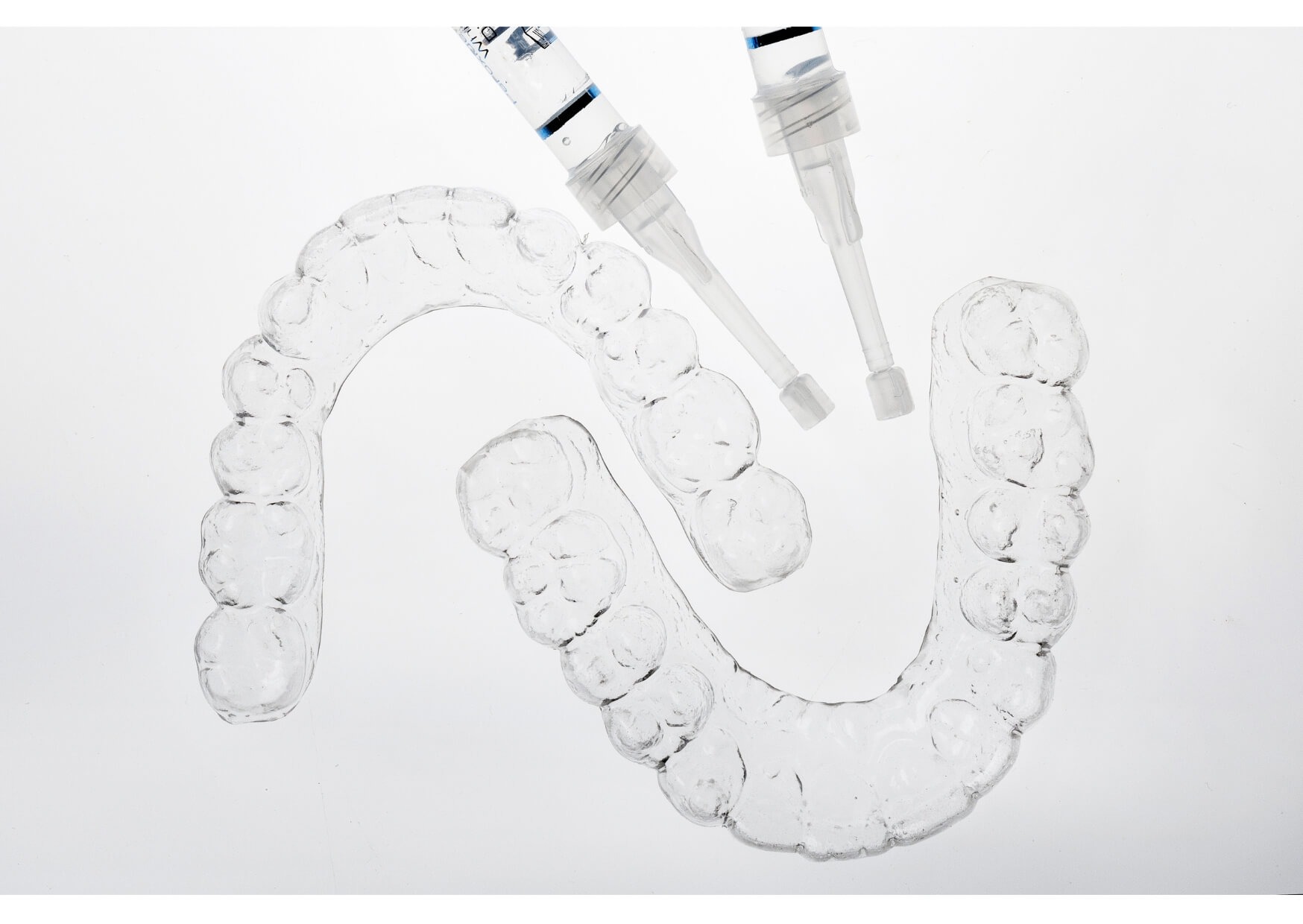
A nightguard is a removable appliance worn over the teeth during sleep. Its main job is to create a protective barrier between the upper and lower teeth so enamel, the hard outer layer of the tooth, is less likely to wear down from repeated clenching or grinding.
A nightguard does not always stop the grinding itself. That distinction matters. In many cases, it helps by reducing direct tooth damage, lowering stress on dental work such as crowns or veneers, and sometimes easing muscle strain by changing how the teeth meet. Think of it less as a peace treaty and more as a buffer zone between two very committed opponents.
For some patients, a guard may also reduce morning symptoms such as jaw fatigue, tooth sensitivity, or tension headaches. For others, symptoms may persist because grinding can be linked to stress, sleep disorders, bite issues, certain medications, or a combination of factors. That is why the appliance should be part of a broader dental assessment, not a one-size-fits-all bedtime costume.
Teeth grinding is not always obvious. Some people hear it. Many do not. Often the first clues show up quietly and then become expensive. Common signs that may suggest grinding or clenching include:
None of these signs proves one diagnosis on its own. Jaw pain can overlap with temporomandibular disorders, often shortened to TMD, which refers to problems involving the jaw joints and surrounding muscles. Tooth sensitivity may come from decay, gum recession, or cracks.
If symptoms are ongoing, worsening, or hard to explain, a dentist should evaluate the pattern rather than guess based on a shopping cart and a product review.
This is the part where modern life gets very on-brand. There are custom guards made by a dentist, boil-and-bite versions sold in pharmacies, and soft trays online that promise the confidence of aerospace engineering with the medical oversight of a toaster.
A custom nightguard is made from an impression or digital scan of the teeth. It is designed to fit the bite more precisely and is usually more comfortable, more durable, and less likely to interfere with breathing or irritate the gums.
For moderate to severe grinding, a custom nightguard is often the better long-term option. It also allows the dentist to check whether the appliance design suits the specific pattern of wear, jaw symptoms, and dental restorations.
Over-the-counter guards may be less expensive upfront and can be reasonable as a temporary stopgap for some people. The downside is fit. If a guard is bulky, unstable, or changes the way the teeth contact each other in an unhelpful way, it may feel uncomfortable and, in some cases, may even aggravate symptoms.
A poor fit can also make people stop wearing it, which defeats the point. Saving money is admirable. Saving money by sleeping with a rubber hockey puck that makes the jaw angrier is less admirable.
| Option | Potential Benefits | Potential Downsides |
| Custom-made by a dentist | Better fit, more durable, tailored to the bite, easier follow-up | Higher initial cost |
| Boil-and-bite | Lower cost, easier to get quickly | Bulkier fit, less precise, may wear out faster |
| One-size-fits-most soft tray | Convenient and inexpensive | Often poor fit, may be uncomfortable, limited durability |
Nightguards come in different materials and thicknesses. Some are softer and more flexible. Others are hard acrylic or layered designs. The best choice depends on how intensely you grind, whether there is more clenching than grinding, the condition of your teeth, and whether there are jaw joint symptoms.
Softer guards may feel easier to tolerate at first, but they are not automatically better. In some patients, a soft material can encourage more chewing activity during sleep. Harder appliances are often used when durability and bite stability matter more. This is one reason a professional exam helps. The mouth is not a democracy, and not every appliance suits every set of teeth.
If there are crowns, implants, bridges, or significant tooth wear, the appliance design becomes even more important. Protecting natural teeth is one issue. Protecting several thousand dollars of dental work from nightly sabotage is another. If you already have damaged restorations, consider talking to a dentist who offers Restore damaged teeth services so the guard and any repairs work together, including options for crowns and bridges.
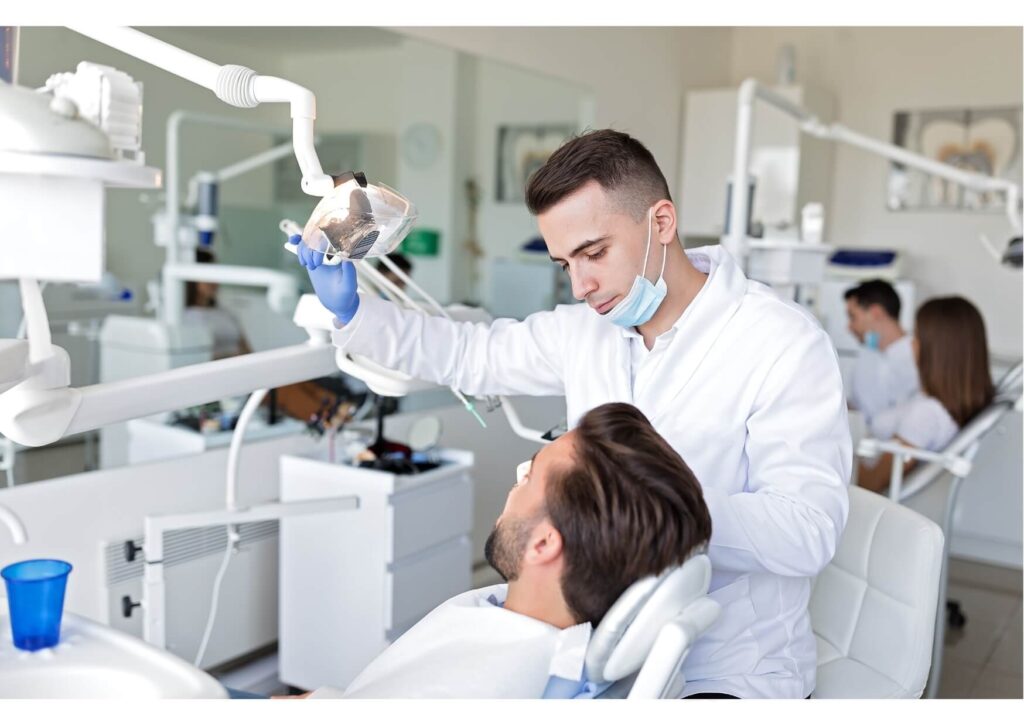
A dentist does not diagnose grinding from vibes alone. The exam usually includes looking for wear facets, which are shiny, flattened spots where teeth rub together, checking for fractures or cracked-tooth symptoms, reviewing muscle tenderness, and asking about sleep, stress, headaches, and jaw function.
In some cases, the dentist may ask whether there is snoring, gasping during sleep, or excessive daytime fatigue. That is because sleep apnea can overlap with grinding in some patients. If that pattern is present, the next step may involve a physician or sleep specialist rather than assuming a nightguard is the whole answer. A sleep apnea evaluation may also be appropriate.
The dentist will also evaluate whether jaw joint issues are present. If grinding is linked to pain, clicking, or limited opening, a TMJ evaluation can help determine whether a guard or another therapy is most appropriate.
The goal is not to make the process dramatic. The goal is to avoid missing something important. A guard can protect teeth, but it does not treat every cause of jaw pain, facial pain, or broken teeth.
Nightguards are often most useful when there is clear evidence of tooth wear, repeated chipping, stress on fillings or crowns, or nighttime clenching that leads to morning soreness. They can also be helpful after restorative dental work, when protecting the teeth and restorations matters while the dentist continues to monitor the bite.
They may also help patients who go through periods of stress-related grinding. The body has many creative ways to process tension, and apparently one of them is trying to turn molars into sea glass. A guard will not solve the stress itself, but it may reduce the dental consequences while broader triggers are addressed.
That said, if the main problem is severe jaw locking, sharp joint pain near the ear, or facial pain without obvious tooth wear, the plan may need to go beyond a simple appliance. Those symptoms deserve a fuller evaluation.
In some cases, chronic, severe grinding can cause widespread damage that requires more complex care. Discuss options with your dentist, including full mouth rehabilitation, if wear is extensive.
Some symptoms should not be filed under see how it goes. Seek prompt dental or medical evaluation if there is:
These signs may point to infection, a fracture, acute joint problems, or other issues that need direct care. A nightguard is not emergency treatment, and online advice should never replace an in-person assessment when symptoms are severe. If you're experiencing these warning signs, learn when to seek emergency dental care.
Cracks sometimes require more invasive treatment. If a fractured tooth is involved, your care may include procedures that lead to a root canal; see our guide to root canal recovery for what to expect.
Most people need a short adjustment period. The guard may feel bulky for the first few nights, speech may sound odd before bed, and the brain may briefly react as if a small piece of dental equipment is an outrageous personal insult. That usually settles.
A properly fitted appliance should not cause persistent tooth pain, gum injury, or a bite that feels clearly off after regular use. Mild awareness at first is common. Ongoing discomfort is not something to simply power through. If a guard causes pain, looseness, or changes in how the teeth meet in the morning that do not resolve, the dentist should recheck the fit.
Cleaning and storage matter, too. A guard that lives damp in a pocket, on a nightstand, or in the general ecosystem of a gym bag tends to become unpleasant quickly. Follow the dentist's instructions for cleaning and replacement, and bring the appliance to follow-up visits so wear patterns can be reviewed.
Custom nightguards usually cost more than store-bought options, but they often last longer and fit better. The real comparison is not just the purchase price. It is the cost of the appliance versus the potential cost of repairing worn teeth, replacing cracked fillings, managing sensitivity, or restoring broken crowns.
There is no universal lifespan. It depends on the material, the intensity of grinding, and whether the bite changes over time. Some guards last for years. Others show wear sooner, especially in heavy grinders. In a strange way, visible wear on the guard may be reassuring because it means the appliance is taking force that would otherwise land on the teeth.
If cost is a concern, it is reasonable to ask a dental office about options, insurance coverage, or phased planning. That is not glamorous, but neither is paying for repeated repairs because the jaw has chosen chaos as a hobby.
Nightguards are protective devices, not universal cures. They do not treat tooth decay, gum disease, infection, or every form of jaw disorder. They also do not replace evaluation for sleep apnea, a condition involving repeated breathing interruptions during sleep, if symptoms suggest that possibility.
If grinding continues despite wearing a guard, that does not mean the appliance failed. It may still be protecting the teeth. But it does mean the dentist may need to reassess fit, material, bite factors, stress patterns, or whether another condition is contributing.
The most sensible approach is simple: use the appliance when indicated, but do not let the appliance become a bureaucratic stamp that says the issue is resolved. Teeth are good at sending warnings. The expensive part is usually ignoring them.
Protecting your teeth from ongoing grinding starts with understanding what is causing the damage and choosing the right treatment early. At Q & A Dental Care, patients receive personalized care for teeth grinding, jaw discomfort, and worn or damaged teeth, including custom nightguards designed for comfort and long-term protection.
If you are waking with jaw pain, headaches, or signs of tooth wear, call (330) 888-1299 to schedule an evaluation at our Macedonia, OH office and discuss the best options for protecting your smile. We welcome patients from nearby areas including Glenwillow and Sagamore Hills.
Not always. A nightguard often protects the teeth from damage, but it may not fully stop the muscle activity behind grinding or clenching.
It may be acceptable as a short-term option for some people, but a dentist-made guard is usually more precise and more reliable, especially for stronger grinding, jaw symptoms, or complex dental work.
A poorly fitted appliance can be uncomfortable and, in some cases, may aggravate symptoms. If pain increases, the fit and diagnosis should be reviewed by a dentist.
Common clues include morning jaw soreness, worn or chipped teeth, tooth sensitivity, headaches, and reports of grinding sounds during sleep. A dental exam can look for patterns of wear and other causes.
Yes. Visible tooth wear or repeated chipping is a good reason to schedule an evaluation. The cause is not always straightforward, and early protection may help prevent more extensive treatment later.
| Monday | 9:00 AM – 7:00 PM |
| Tuesday | 9:00 AM – 2:00 PM |
| Wednesday | 9:00 AM – 7:00 PM |
| Thursday | 9:00 AM – 7:00 PM |
| Friday | 8:00 AM – 1:00 PM |
| Saturday | Closed |
| Sunday | Closed |