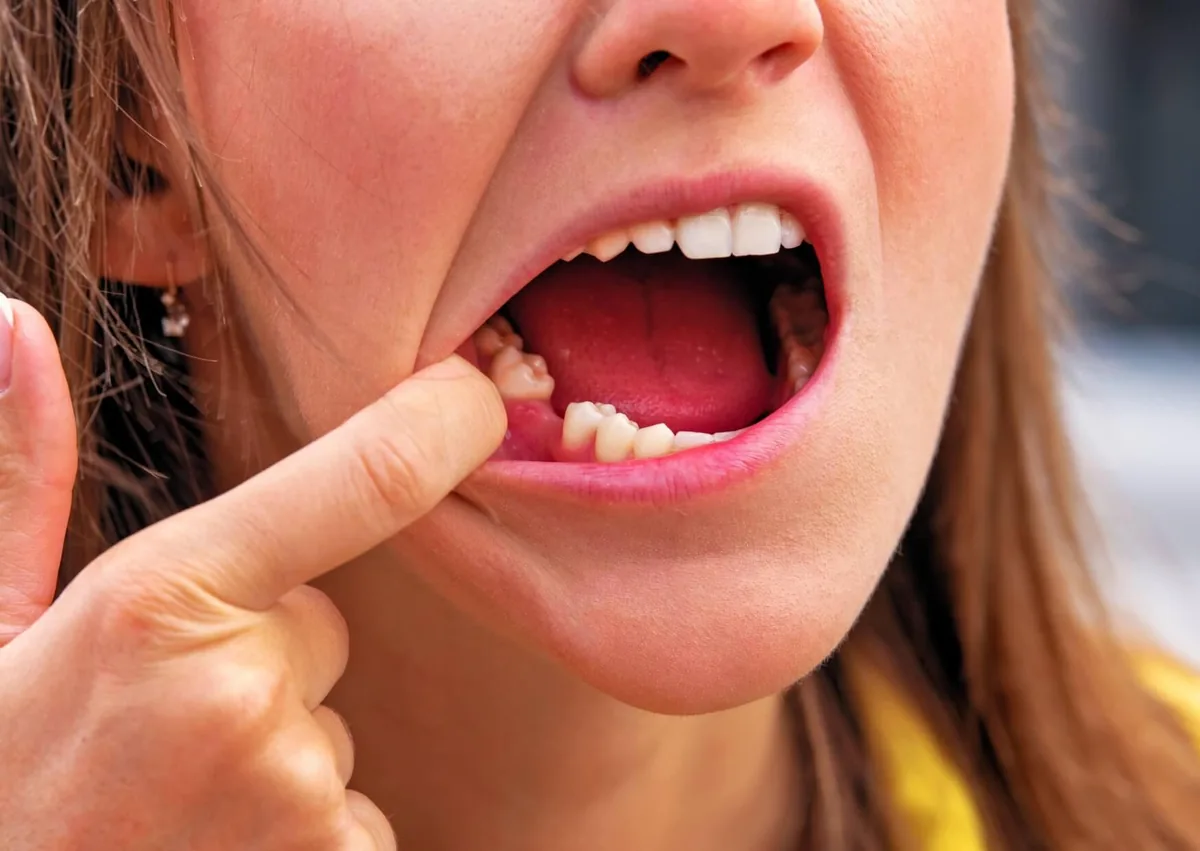
A normal socket after tooth extraction usually has a dark blood clot at first, then a white, cream, or pale yellow layer as healing tissue forms. Mild bleeding, swelling, soreness, and a small visible hole are common, and most symptoms should gradually improve after the first few days.
If you have not had the procedure yet, review our tooth extraction process to know what to expect before and during the extraction.
If your extraction site shows severe pain, spreading swelling, fever, or signs of infection, emergency dentistry can provide rapid evaluation to identify whether immediate treatment is needed. Q & A Dental Care in Macedonia, OH offers short-notice assessment and treatments to relieve pain and stabilize healing while you decide next steps.
The socket is the opening in the jawbone where the tooth was removed. A blood clot normally fills this space soon after the extraction and protects the bone and nerves underneath.
Over the next several days, the site may look white, yellow, or pale pink. This is often normal healing tissue such as fibrin and granulation tissue, not pus or trapped food.
As healing continues, the opening gets smaller and shallower. A slight dip in the gum can remain for weeks or months while the bone slowly remodels.
Healing time varies based on which tooth was removed, how difficult the extraction was, your overall health, tobacco use, and how closely aftercare instructions are followed. If you are wondering whether removal is necessary in the first place, see our article on signs you need extraction.
Wisdom teeth and surgical extractions often cause more swelling and take longer to heal than simple extractions. If problems continue after a difficult or surgical removal, referral to oral surgery may be recommended.
|
Time After Extraction |
Common Normal Findings |
|---|---|
|
First 24 hours |
Dark red clot, light oozing, soreness, and early swelling |
|
Days 2 to 3 |
Swelling may peak; bruising, tenderness, and jaw stiffness may occur |
|
Days 4 to 7 |
Pain and swelling usually begin improving; white or cream healing tissue may cover the socket |
|
Weeks 1 to 2 |
Gum edges draw together, and tenderness continues to decrease |
|
Following weeks to months |
Gum surface closes while bone gradually fills and reshapes the area |
Minor bleeding can briefly happen again if the area is disturbed. Heavy bleeding that does not slow with the pressure method recommended by your dentist is not considered normal healing.
Some discomfort is expected, especially after the numbing medicine wears off. Normal pain is usually manageable with the care plan from your dentist and should trend downward over time.
Pain that gets worse instead of better can signal a complication. The pattern of symptoms is usually more helpful than color alone.
|
More Consistent With Normal Healing |
Reason to Contact a Dentist |
|---|---|
|
Mild to moderate soreness that improves |
Severe, increasing, or persistent pain |
|
Swelling that peaks early and then decreases |
Swelling that worsens after several days |
|
White or yellow healing layer without worsening symptoms |
Pus, increasing redness, fever, or worsening swelling |
|
Mild temporary bad taste or breath |
Persistent foul taste or odor with pain or drainage |
|
Small socket that gradually closes |
Visible bone with intense or radiating pain |
Dry socket, also called alveolar osteitis, happens when the protective clot breaks down or is lost too early. It often causes severe pain one to several days after extraction, sometimes spreading to the ear, temple, or neck, and it needs dental evaluation.
Follow the instructions from your dentist, since care can differ for stitches, surgical sites, and medical conditions. During the first 24 hours, avoid forceful rinsing, spitting, drinking through a straw, and touching the socket because these can disturb the clot.
Choose soft foods and chew on the other side while the area is tender. Once your dentist says rinsing is safe, gentle saltwater rinses may help keep the area clean, but vigorous swishing should still be avoided.
Keep brushing the rest of your teeth carefully. Avoid smoking and vaping during healing because suction, heat, and tobacco can interfere with clot stability and tissue repair.
Do not scrape away white material or try to dig into the socket. If food seems stuck and gentle cleaning does not help, ask the dental office how to clean the area safely.

Contact your dentist promptly if pain or swelling worsens after the first few days, bleeding continues, or you develop fever, pus, a strong foul taste or odor, exposed bone, or worsening trouble opening your mouth.
For severe or fast-moving problems, seek immediate attention from emergency dentistry. For more guidance on urgent symptoms, see our article on emergency dental care.
Seek urgent medical care for trouble breathing or swallowing, rapidly spreading facial or neck swelling, uncontrolled bleeding, or severe illness symptoms. These can point to a serious complication that should not wait for a routine dental visit.
Healing cannot be confirmed by appearance alone. A dentist can examine the socket, check for infection or dry socket, and decide whether you need treatment or monitoring.
After healing is complete, you can discuss tooth replacement options such as dental implants or dental bridges and dentures with your provider.
If you have worsening pain, fever, spreading swelling, or suspected dry socket, seek prompt evaluation so the problem can be diagnosed and treated quickly. Call Q & A Dental Care for emergency dentistry in Macedonia, OH, serving nearby Twinsburg and Aurora, at (330) 888-1299 to request same-day care or get advice on next steps.
Often, yes. A white or cream layer may be fibrin and granulation tissue, both of which are part of normal healing, but white material with worsening pain, swelling, fever, or drainage should be evaluated.
Yes. The socket often remains visible after the extraction and gradually gets smaller as the gum and bone heal. The surface may close within weeks, while deeper bone healing can take several months.
A new clot often looks dark red, maroon, or nearly black. As healing tissue covers it, the appearance changes, so color alone does not always mean the clot has been lost.
Yes. Food particles can collect in the opening, especially after a molar or wisdom tooth extraction. Do not dig into the socket; use only the cleaning method recommended by your dentist and contact the office if debris remains or symptoms develop.
Dry socket often causes severe, increasing pain within several days of extraction, sometimes with visible bone, an unpleasant taste, or pain that radiates toward the ear. Because appearance is not always reliable, a dentist should evaluate suspected dry sockets.
| Monday | 9:00 AM – 7:00 PM |
| Tuesday | 9:00 AM – 2:00 PM |
| Wednesday | 9:00 AM – 7:00 PM |
| Thursday | 9:00 AM – 7:00 PM |
| Friday | 8:00 AM – 1:00 PM |
| Saturday | Closed |
| Sunday | Closed |