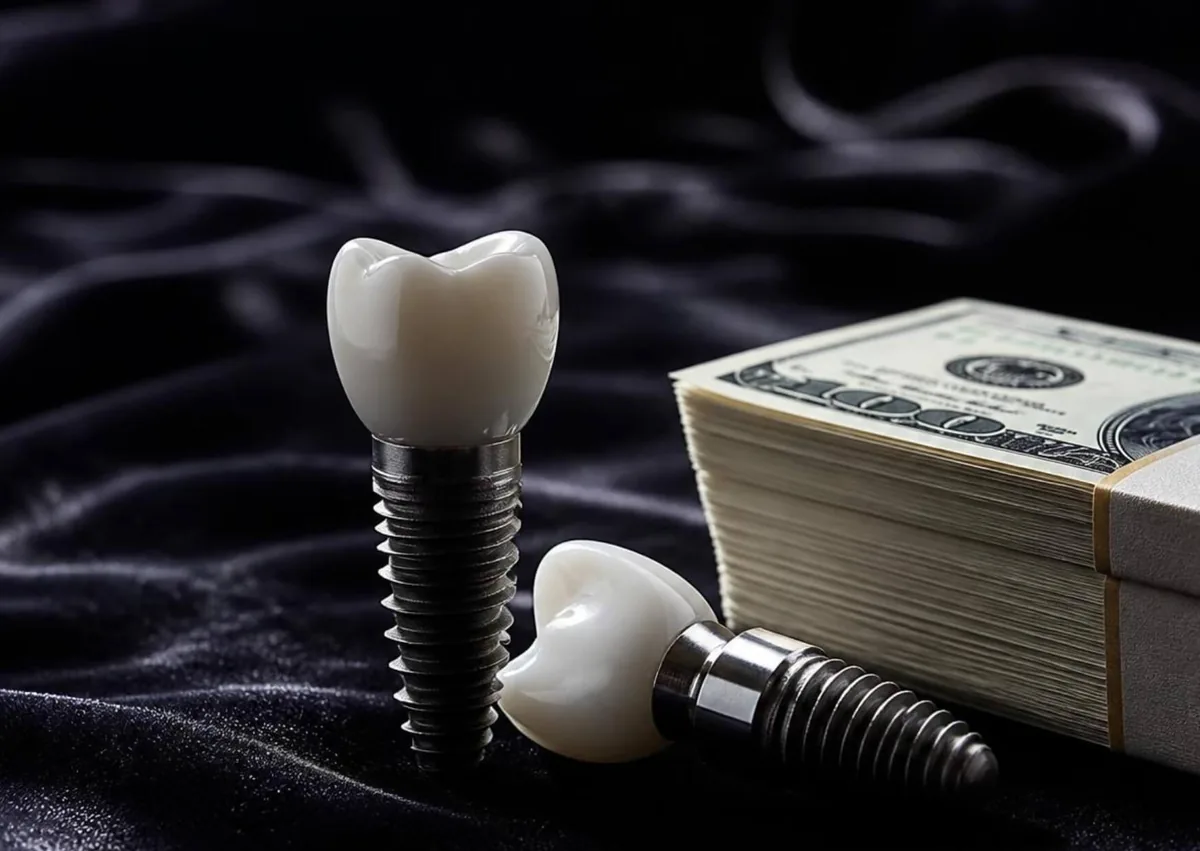
Affordable dental implants in Macedonia, OH are often possible when treatment is planned carefully and the estimate is reviewed in full. The most affordable option is not always the lowest advertised price, so it helps to compare what is included, what may be billed separately, and whether a different implant-supported or removable option could lower the total cost.
If you're weighing tooth-replacement options or concerned about jawbone loss, confirming whether dental implants are clinically suitable can clarify your next step. Q & A Dental Care in Macedonia, OH explains implant components, likely costs, and reasonable alternatives so you can make an informed decision.
The cost of dental implants varies because treatment is customized to your mouth, health history, and the number of teeth being replaced. A single implant case often includes the implant post, the abutment, and the final crown.
Other charges may include the exam, 3D imaging, tooth removal, bone grafts, sedation, temporary teeth, or gum disease treatment. Ask for an itemized estimate so you can see which services are included and which may be added if needed.
Insurance coverage is often limited and may apply more to the crown, extraction, or related care than to the implant itself. Before treatment, confirm annual maximums, waiting periods, missing-tooth clauses, deductibles, and network rules with your insurer, and review how dental insurance may apply.
The right option depends on how many teeth are missing, the condition of nearby teeth, and how much bone support is available. In some cases, one implant is best, while in others, implant-supported options or removable teeth may offer a better balance of function and cost.
|
Option |
Typical Use |
Important Cost Consideration |
|---|---|---|
|
Single implant and crown |
One missing tooth |
Does not require trimming adjacent healthy teeth |
|
Implant-supported bridge |
Several neighboring teeth are missing |
Replaces multiple teeth with fewer implants than one per tooth |
|
Implant-retained denture |
Many or all teeth are missing |
Often uses fewer implants and may improve denture stability |
|
One or several missing teeth |
Lower initial cost in some cases, but supporting teeth often must be reshaped |
|
|
Removable partial or full denture |
Multiple missing teeth |
Usually less expensive at first, but may need more adjustments or replacement over time |
A removable option can be a reasonable lower-cost choice when surgery is not ideal because of health, bone loss, or budget. It should not be presented as identical to implants, because comfort, chewing strength, maintenance, and long-term effects can differ.
Compare complete treatment plans, not just promotional starting prices. Ask whether the quote includes the final restoration, follow-up visits, temporary teeth, and any policies for repairs or replacement.
Payment options may include insurance, health savings accounts, flexible spending accounts, office payment arrangements, and third-party financing. Review interest rates, deferred-interest terms, fees, and the full repayment amount before agreeing to financing.
Staged treatment can sometimes spread costs over time when it is clinically safe. However, delaying needed care may allow teeth to shift or bone to shrink, which can make later treatment more complex.
Dental schools or supervised residency clinics may also offer reduced fees. These settings can be helpful for some patients, but appointment timelines, travel, and eligibility may be less convenient.
Dental implants need enough bone and healthy gum tissue for support. Smoking, uncontrolled diabetes, active gum disease, certain medications, teeth grinding, and some medical conditions can raise the risk of complications, but they do not always rule out treatment.
A dentist will usually review your medical history, examine your mouth, and take X-rays or a 3D scan. This helps determine whether bone grafts are needed and whether the implant can be placed safely around nerves or sinus spaces.
You can also read more about the effects of missing teeth and denture options. Be cautious of offers that promise eligibility or a permanent result without an exam.
A reliable price starts with a proper diagnosis. Hidden infection, bone loss, or bite problems can change both the treatment plan and the total cost.
Some patients can receive a temporary tooth on the same day as implant placement, but that approach is not right for everyone. Many implants need several months to fuse with the jawbone before the final crown, bridge, or denture is attached.
After surgery, mild swelling, soreness, bruising, and minor bleeding can happen and should gradually improve. Follow your dentist's instructions for cleaning, diet, activity, and medications instead of relying on general online advice.
Long-term success depends on daily home care, regular dental visits, and avoiding tobacco. Implants do not get cavities, but the surrounding tissues can still develop inflammation and bone loss called peri-implant disease.
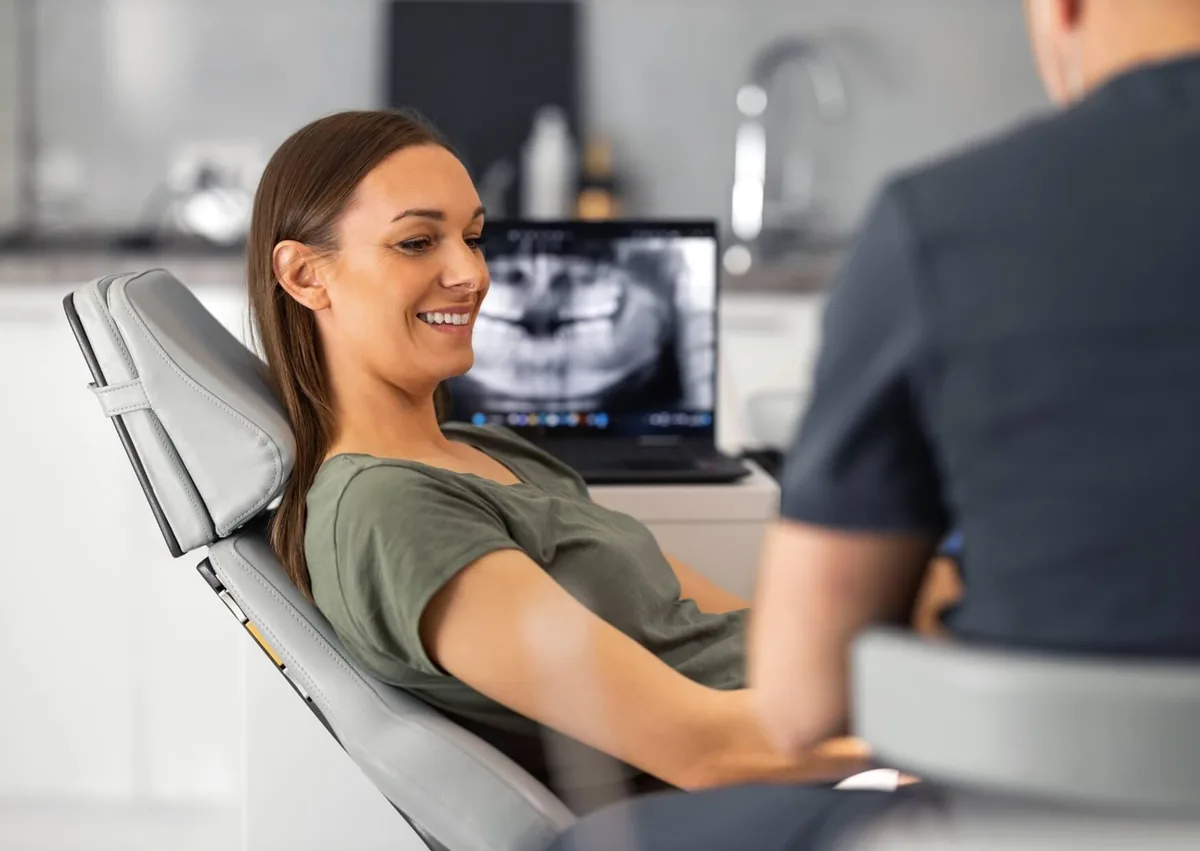
Schedule an evaluation if a missing tooth affects chewing, speech, appearance, or the stability of nearby teeth. Gum bleeding, loose teeth, drainage, swelling, or a denture that no longer fits well also deserves prompt attention.
After implant treatment, contact the dental office if you have worsening pain, increasing swelling, fever, pus, persistent bleeding, a loose implant or restoration, or numbness that does not improve as expected. Seek urgent medical care for trouble breathing or swallowing, rapidly spreading swelling of the face or neck, confusion, or severe uncontrolled bleeding.
A written diagnosis, a complete estimate, and a clear discussion of alternatives can help you tell the difference between a truly affordable plan and one that only looks inexpensive at first.
To confirm eligibility, obtain a written estimate, or discuss staged or lower-cost options, arrange an evaluation with an experienced implant team. Call Q & A Dental Care about dental implants in Macedonia, OH and nearby Twinsburg or Aurora to schedule a visit at (330) 888-1299.
A lower fee does not always mean lower quality, but unusually low ads may leave out important parts of treatment. Check the clinician's credentials, materials, imaging, sterilization standards, follow-up care, and exactly what the quoted fee includes.
Sometimes. Two or more implants may support a bridge that replaces several adjacent teeth, depending on bite forces, bone quality, implant position, and the size of the space.
Some plans cover part of the implant process, while others exclude the implant itself but help pay for related procedures. Coverage varies widely, so request a written predetermination and remember that it may not guarantee final payment.
A bone graft may be recommended when the jaw has narrowed after tooth loss, infection, or injury. Not every patient needs one, and a second opinion can be reasonable if the recommendation or cost is unclear. For more detail, see our article on bone grafting.
Dental implants can last many years, but no dentist can promise a lifetime result. Gum health, home care, smoking, grinding, medical conditions, bite forces, and regular maintenance all affect longevity, and the crown or denture may need repair or replacement before the implant itself.
| Monday | 9:00 AM – 7:00 PM |
| Tuesday | 9:00 AM – 2:00 PM |
| Wednesday | 9:00 AM – 7:00 PM |
| Thursday | 9:00 AM – 7:00 PM |
| Friday | 8:00 AM – 1:00 PM |
| Saturday | Closed |
| Sunday | Closed |