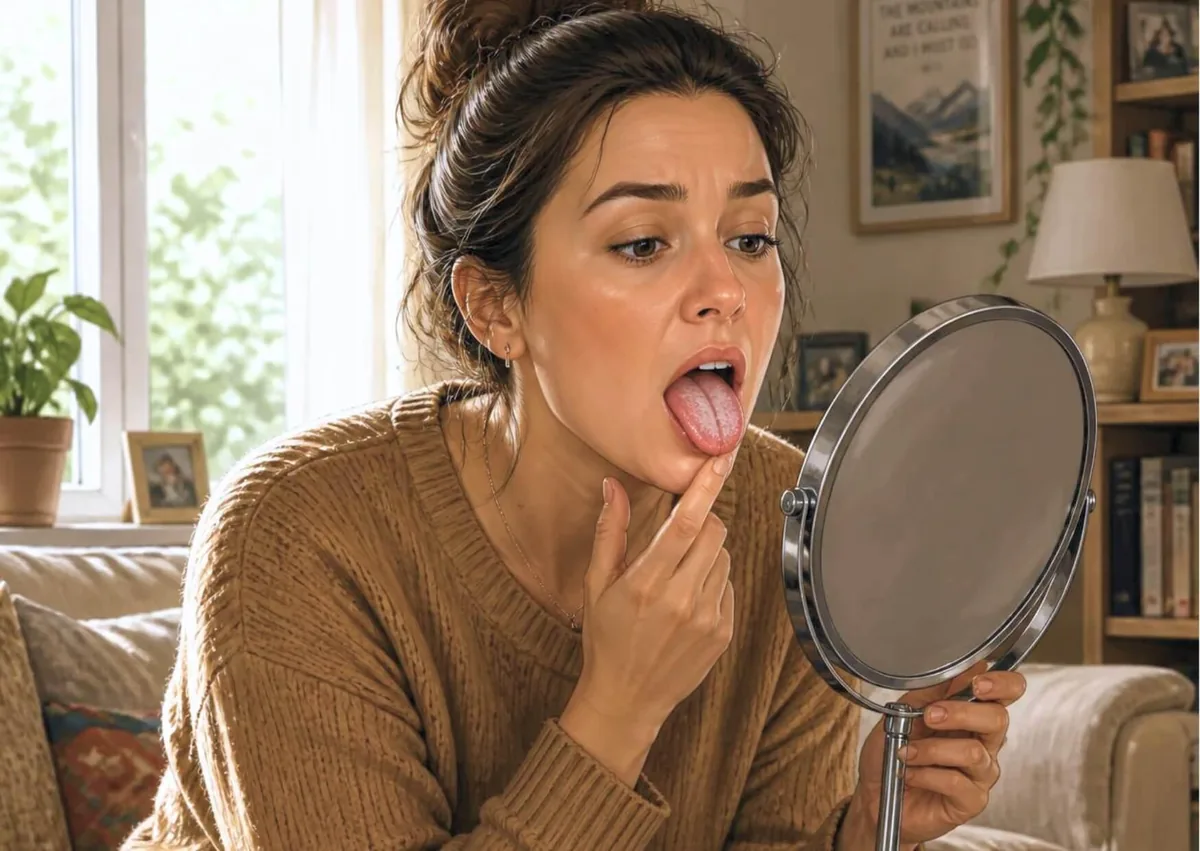
Oral thrush is a yeast infection in the mouth that often causes white patches, soreness, or a burning feeling. It is usually treated with antifungal medicine, but a dental exam or medical evaluation is important because other mouth conditions can look similar.
If you have white mouth patches, burning, or soreness that may be oral thrush, a dental exam can help confirm the cause and guide the right treatment. At Q & A Dental Care in Macedonia, OH, we evaluate symptoms, medications, and denture fit to help you understand what is causing the problem and what to do next.
Oral thrush, also called oral candidiasis, happens when Candida yeast grows more than usual in the mouth. Candida can be present normally without causing problems, but changes in health, medications, or the oral environment can allow it to overgrow.
Common signs include white or cream-colored patches on the tongue, inner cheeks, gums, roof of the mouth, or tonsils. These patches may wipe away and leave a red, tender area that can bleed slightly, so it is best not to scrape them at home.
Some people notice redness, burning, an unpleasant taste, or a cotton-like feeling in the mouth. Others develop cracks at the corners of the lips or soreness under dentures instead of obvious white patches.
Oral thrush is more likely when the mouth's normal balance changes or the immune system is under stress. Several common factors can raise the risk.
Oral thrush is not usually considered contagious in otherwise healthy adults. Still, Candida can pass between people, and symptoms are more likely when someone already has risk factors.
A dentist or medical professional can often recognize oral thrush during an exam. They may also review your symptoms, medications, denture use, and health history to look for contributing factors.
If the diagnosis is unclear or the problem keeps coming back, more testing may be needed. This can help rule out another condition or identify an underlying cause that needs attention.
Treatment usually involves a prescription antifungal medicine in a liquid, lozenge, tablet, or another form. Use the medication exactly as prescribed and finish the full course, even if you start to feel better sooner.
Many people improve within a few days, but full healing can take longer. If thrush keeps returning, the next step may be to address denture fit, dry mouth, inhaler technique, blood sugar control, medications, or immune health rather than simply repeating treatment.
Not every white patch in the mouth is thrush. Irritation, inflammatory conditions, and more serious tissue changes can sometimes look similar, especially if a patch does not wipe away.
Brush gently with a soft-bristled toothbrush and clean between the teeth every day. Avoid scraping sore areas, and avoid smoking, vaping, alcohol-containing mouthwash, or spicy and acidic foods if they make symptoms worse.
If you use a corticosteroid inhaler, rinse your mouth with water and spit after each use unless your prescriber tells you otherwise. A spacer may help reduce medication left in the mouth, but inhaler changes should be discussed with a pharmacist or prescribing clinician.
Clean removable dentures every day using the method recommended for that appliance. Remove them while sleeping unless a dentist has told you to do otherwise.
Dentures and related equipment may also need professional evaluation because yeast can stay on their surfaces and contribute to repeat infections. Good hydration and proper management of dry mouth or diabetes may also help lower the risk.
Regular preventive care, including regular dental checkups and cleanings, can help reduce recurrence. These visits also give your dental team a chance to address denture fit, oral hygiene concerns, and medication-related risks.
Do not use leftover antifungal medicine or rely on home remedies instead of getting an exam. The right treatment depends on the correct diagnosis and the reason the problem developed.
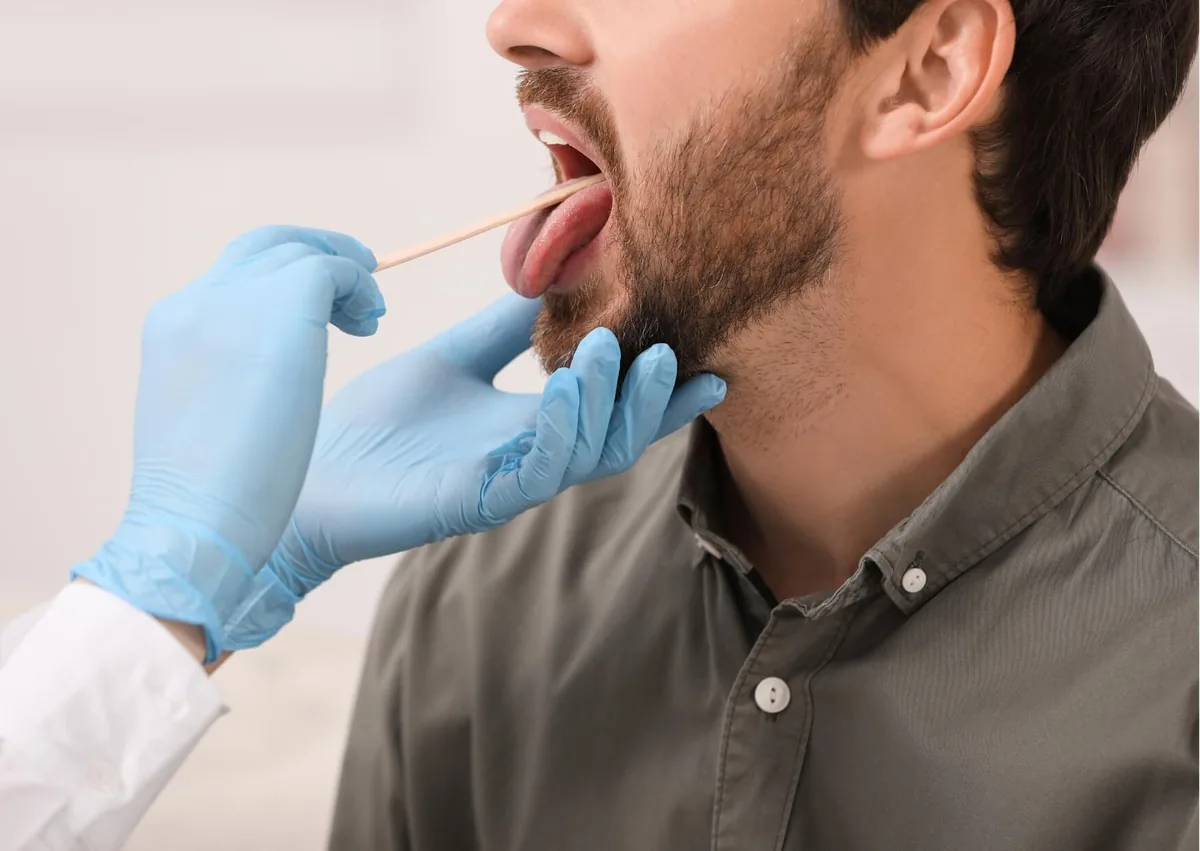
Arrange an evaluation if you develop new white patches, ongoing mouth soreness, unexplained redness, or other symptoms that may be oral thrush. It is especially important to be seen if symptoms last more than several days, get worse, or keep returning.
Prompt evaluation also matters if a patch does not wipe away, if there is unexplained weight loss, or if the person affected has diabetes or a weakened immune system. These situations may point to a more persistent infection or another condition that needs care.
Seek urgent medical care for trouble swallowing or breathing, inability to keep fluids down, signs of dehydration, severe weakness, or rapidly worsening symptoms. Pain or a feeling that food is sticking behind the breastbone can suggest the infection has spread into the esophagus and needs medical evaluation.
If symptoms are severe or rapidly worsening, contact emergency dentistry. For more guidance on urgent symptoms, see our emergency dental care article.
A dental or medical exam can tell the difference between oral thrush and other causes of mouth changes. Early evaluation can ease discomfort, reduce recurrence, and help make sure persistent tissue changes are not overlooked.
If symptoms are severe, persistent, or worrying, arranging a timely dental exam can confirm the diagnosis and begin targeted treatment to ease discomfort and reduce recurrence. Contact Q & A Dental Care for general dentistry in Macedonia, OH, serving nearby Glenwillow and Mayfield Heights; call (330) 888-1299 to schedule an appointment.
A mild case may improve if the trigger is temporary and resolves quickly. Still, because several mouth conditions can resemble thrush, it is better to have it professionally evaluated rather than assume it will go away on its own.
It can be. Some people have only mild irritation, while others notice burning, tenderness, taste changes, or pain with eating and swallowing.
Routine mouthwash does not reliably treat oral thrush. Alcohol-containing products may also irritate sore tissue or worsen dry mouth.
Recurring thrush may be linked to dentures, dry mouth, inhaled steroids, recent antibiotics, diabetes, or reduced immune function. A clinician may need to review these factors and look for an underlying cause instead of simply repeating treatment.
| Monday | 9:00 AM – 7:00 PM |
| Tuesday | 9:00 AM – 2:00 PM |
| Wednesday | 9:00 AM – 7:00 PM |
| Thursday | 9:00 AM – 7:00 PM |
| Friday | 8:00 AM – 1:00 PM |
| Saturday | Closed |
| Sunday | Closed |