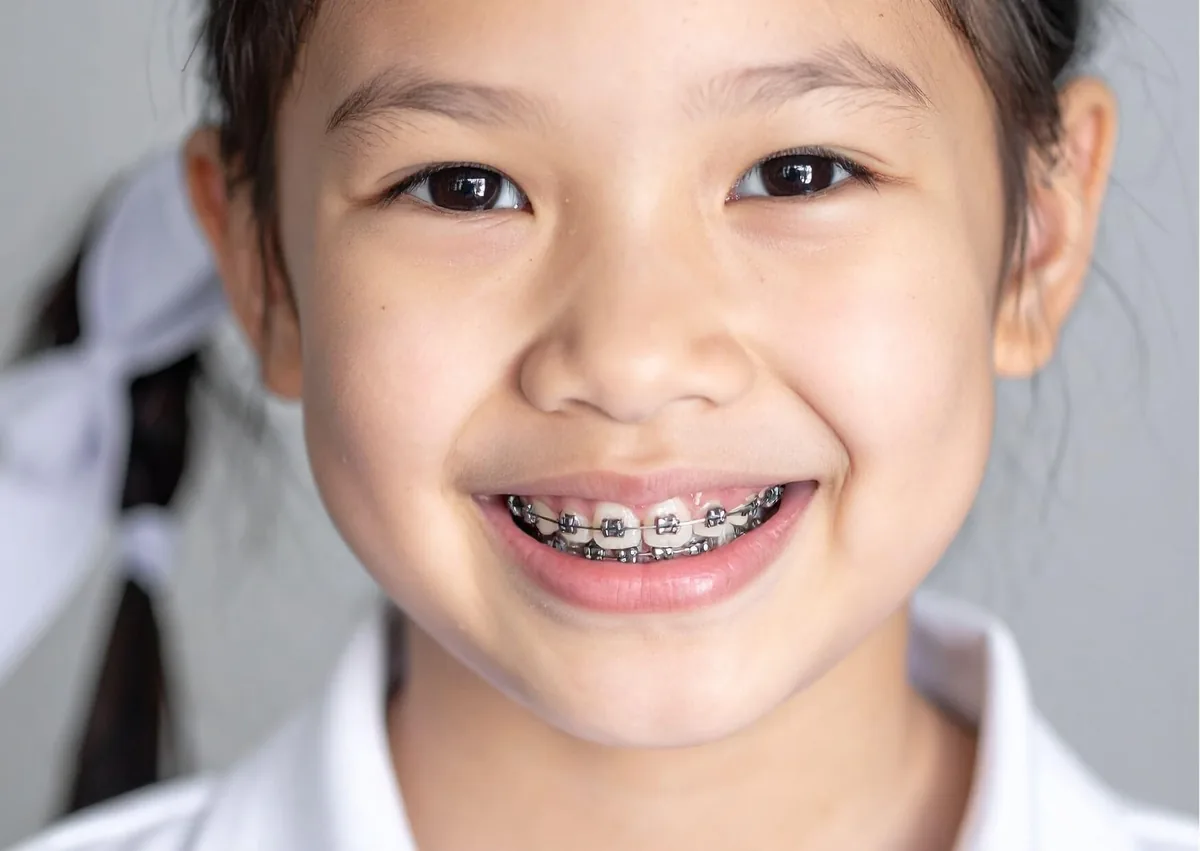
If you are wondering when children need braces, the short answer is that most kids should have an orthodontic checkup by age 7, but many will not start treatment right away. That early visit helps identify bite or growth problems, while full braces often begin later, usually after more permanent teeth have come in.
For general guidance on routine pediatric visits, see when to take your child to the dentist.
An orthodontics evaluation can show whether your child needs monitoring, early treatment, or braces. At Q & A Dental Care in Macedonia, OH, we help families understand timing, treatment choices, and what those findings mean for everyday care.
Braces help correct crowded or crooked teeth and bite problems that can affect chewing, cleaning, and long-term tooth wear. In some growing children, treatment may also help guide how the jaws develop.
You can read more about the impact of misaligned teeth on oral health. A dentist or orthodontist may recommend treatment for crowding, too much spacing, protruding teeth, or teeth that do not meet properly when the child bites.
Common bite problems include overbite, underbite, crossbite, and open bite. These issues may relate to inherited jaw or tooth size, prolonged thumb sucking, early loss of baby teeth, injury, or unusual tooth eruption.
Signs worth discussing with a dental professional include difficulty biting or chewing, frequent cheek biting, teeth that seem blocked from coming in, or jaws that shift when closing. Appearance alone does not determine whether orthodontics is functionally or medically appropriate.
An evaluation by age 7 does not mean a child will get braces at that visit. It means an orthodontist can check how permanent teeth are coming in and look for bite or growth concerns early.
Some children benefit from limited early orthodontic treatment while they still have a mix of baby and permanent teeth. This may be recommended for specific problems such as a crossbite that shifts the jaw, severe crowding, or front teeth that are more likely to be injured.
Many children start comprehensive braces between ages 9 and 14. The best time depends on tooth eruption, jaw growth, and the child’s bite, not a single age.
Traditional metal braces use brackets and wires to move teeth with controlled pressure. They are common for children because they can treat both simple and complex problems and do not rely on remembering to wear a removable appliance.
Ceramic braces work in a similar way but use clear or tooth-colored brackets. They may be less noticeable, though they can cost more and may be more likely to stain around elastic ties or break, depending on the design.
Clear aligners such as Invisalign may work for some children and teens. They require consistent wear, careful tray handling, and removal during meals, so they are not the best fit for every child or every bite problem.
Other appliances, including expanders or space maintainers, may be used before or along with braces. These devices serve different purposes and should be recommended only after an in-person exam and appropriate imaging.
Before treatment starts, the orthodontist usually reviews the child’s medical and dental history, checks the teeth and bite, and may take photos, digital scans, or X-rays. Cavities or significant gum inflammation usually need to be treated first.
Follow-up visits are scheduled to adjust wires, check aligner progress, or monitor appliances. Treatment may last many months to a few years, depending on the complexity of the problem, growth, missed visits, broken appliances, and how well instructions are followed.
Mild pressure or tenderness is common for a few days after braces are placed or adjusted. A dental professional can suggest age-appropriate comfort measures, and any medication should be used only as directed for the child.
After active treatment, most children need a retainer to help keep teeth in their new positions. Retainer wear is a key part of successful treatment because teeth can shift after braces come off.
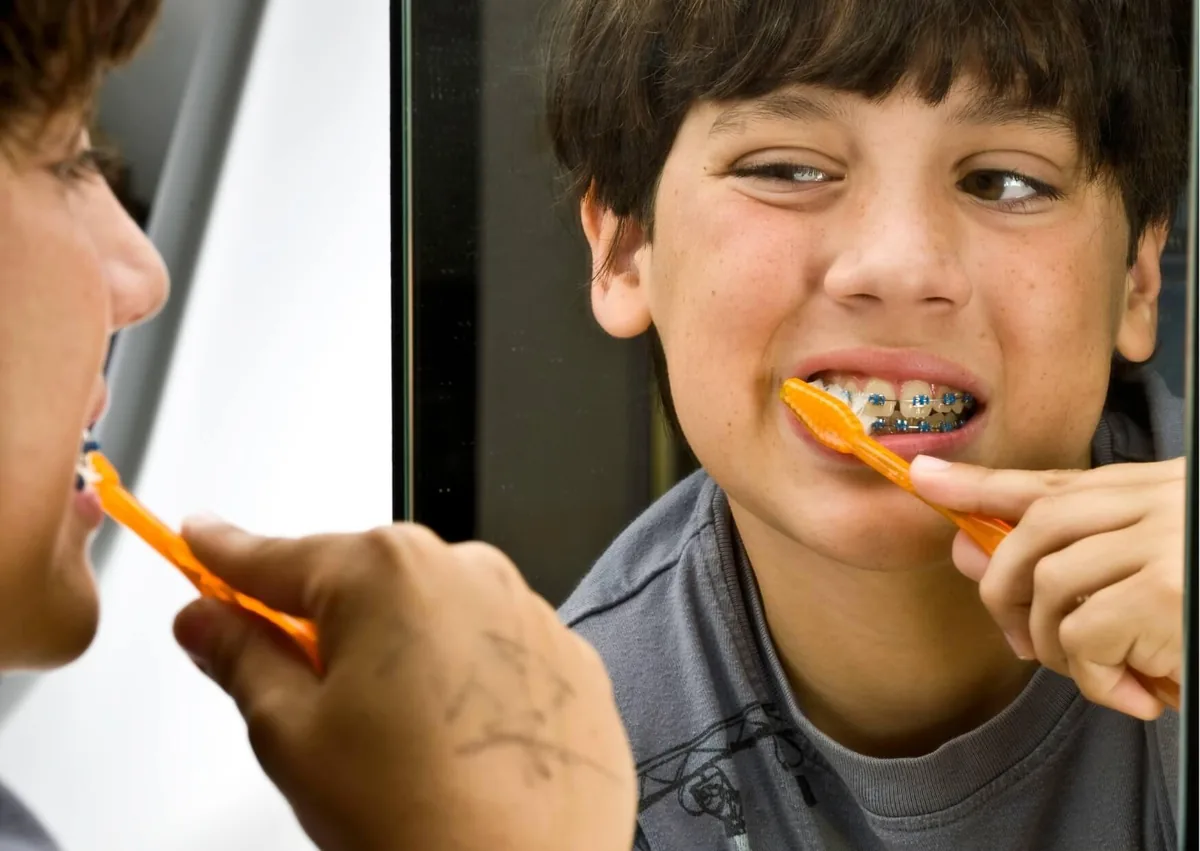
Children with fixed braces should avoid hard or sticky foods that can bend wires or loosen brackets. Examples include hard candy, ice, sticky caramels, and whole hard foods that should be cut into smaller pieces. For more specific guidance, see eating candy with braces.
Brushing takes extra attention around brackets and along the gumline, where plaque can build up. Floss threaders, interdental brushes, or a water flosser may help, but they do not replace careful brushing with fluoride toothpaste.
Poor plaque removal can lead to swollen gums, cavities, and permanent white marks caused by enamel mineral loss. Regular preventative dentistry visits should continue during treatment because orthodontic visits do not replace routine dental care.
If your child plays contact sports, ask about an orthodontic mouthguard made to fit over braces. A tight standard mouthguard may not leave enough room for tooth movement or appliance changes.
Call the orthodontic office if a bracket comes loose, a wire breaks or keeps poking the cheek, an appliance no longer fits, or a retainer is lost. These problems are usually not emergencies, but getting advice early can reduce discomfort and help avoid treatment delays.
Seek urgent dental or medical care for severe or worsening facial swelling, fever with dental pain, uncontrolled bleeding, trouble breathing or swallowing, or a serious injury to the teeth or jaw. A knocked-out permanent tooth needs immediate dental care, while a knocked-out baby tooth should not be put back into the socket.
Persistent pain, trouble eating, gum bleeding that does not improve with cleaning, or unclear bite changes should also be evaluated. A dentist and orthodontics specialist can decide whether observation, early treatment, or comprehensive braces is the best next step.
To move from questions to a clear care plan, arrange an orthodontics evaluation that reviews growth, tooth eruption, and treatment timing for your child. Call Q & A Dental Care for orthodontics in Macedonia, OH, near Glenwillow and Mayfield Heights at (330) 888-1299 to schedule.
Braces commonly cause temporary tenderness or pressure after placement and adjustments, but severe or persistent pain is not expected. Contact the orthodontic office if pain is worsening, prevents eating or sleeping, or happens with swelling, fever, or an injury.
An orthodontic screening by age 7 is widely recommended because it can identify developing problems before all permanent teeth erupt. Many children only need monitoring at that stage, and a general dentist can help coordinate a referral.
Yes, limited early treatment may sometimes begin while baby teeth are still present. It is usually reserved for specific growth, eruption, or bite concerns rather than routine cosmetic straightening.
Cost varies based on the type of treatment, case complexity, length of care, geographic area, and insurance coverage. Families can ask for a written estimate that explains what is included, such as records, adjustments, emergency visits, and retainers.
Plaque can build up around brackets and increase the risk of cavities, gum inflammation, and permanent white enamel marks. The dental or orthodontic team may recommend extra hygiene support, and significant uncontrolled disease can require treatment to pause.
| Monday | 9:00 AM – 7:00 PM |
| Tuesday | 9:00 AM – 2:00 PM |
| Wednesday | 9:00 AM – 7:00 PM |
| Thursday | 9:00 AM – 7:00 PM |
| Friday | 8:00 AM – 1:00 PM |
| Saturday | Closed |
| Sunday | Closed |