Most canker sores last 7 to 14 days and heal within two weeks without scarring. The pain often starts to ease after a few days, but if a sore lasts longer than two weeks, gets worse, or keeps coming back, it should be checked by a dentist or medical professional.
If a mouth sore won't heal within two weeks or keeps recurring, a general dentistry evaluation can identify the cause and rule out other oral conditions. At Q & A Dental Care in Macedonia, OH, our team reviews possible triggers and treatment options to help ease symptoms and prevent future sores.
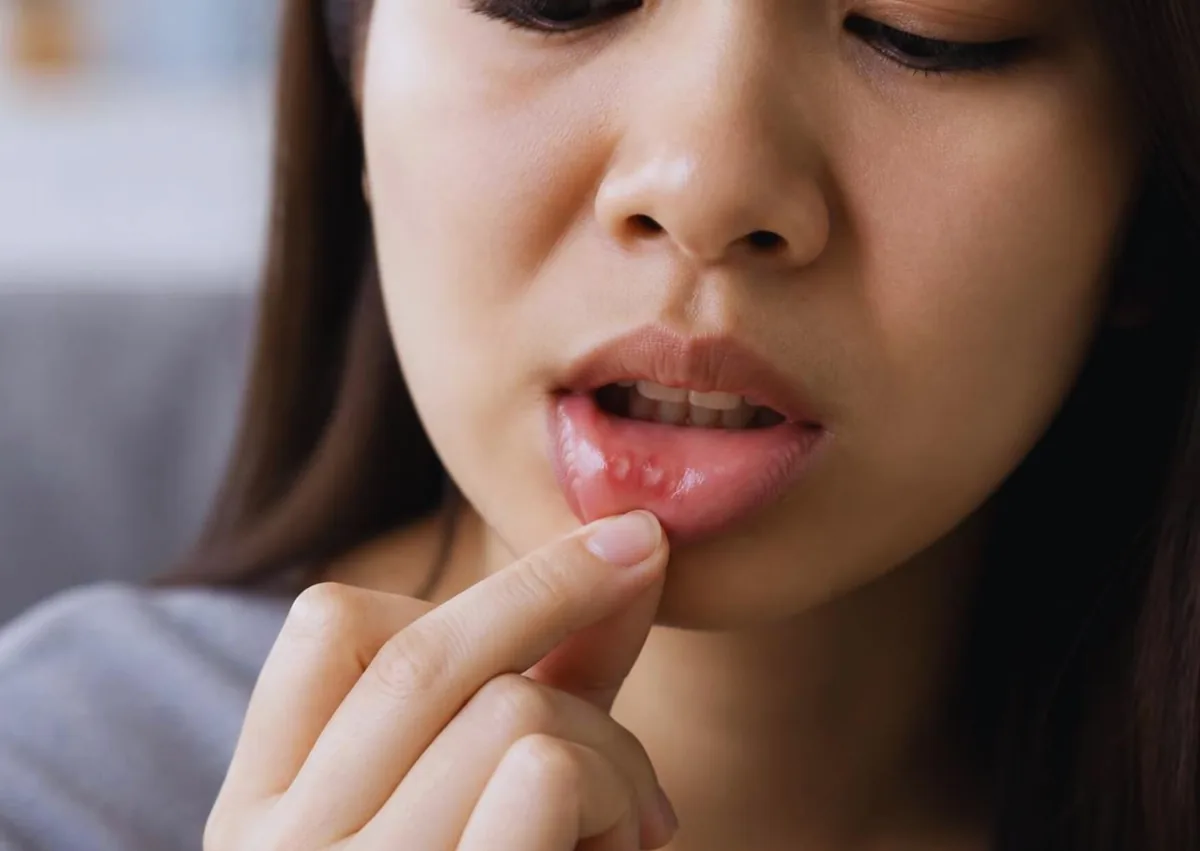
A canker sore, also called an aphthous ulcer, often starts with tingling, burning, or tenderness. Then a small round or oval sore appears inside the mouth, usually with a white or yellow-gray center and a red border.
|
Stage |
Typical Experience |
General Timing |
|---|---|---|
|
Early stage |
Tingling, burning, or a sensitive spot |
Several hours to 1 day |
|
Ulcer stage |
A shallow sore forms and may hurt during eating or speaking |
About 3 to 7 days |
|
Healing stage |
Pain decreases and the ulcer gradually closes |
Usually by 7 to 14 days |
Larger or deeper sores can take several weeks to heal and may leave a scar. Having several sores at once can also make eating and drinking harder, even if each one follows a typical timeline.
The exact cause of canker sores is not always clear. Common triggers include cheek biting, irritation from braces or a sharp tooth, stress, hormonal changes, acidic or spicy foods, and sensitivity to certain toothpaste ingredients.
Nutritional deficiencies, including low iron, folate, vitamin B12, or zinc, may play a role for some people. Frequent, unusually large, or slow-healing sores can also be linked to immune conditions, gastrointestinal disease, or certain medications.
Canker sores are different from cold sores. Canker sores form inside the mouth and are not contagious, while cold sores usually appear on or around the lips and are caused by the herpes simplex virus.
Avoid foods that sting or scrape the sore, such as citrus, tomatoes, spicy foods, chips, and crusty bread. Softer, bland foods and good hydration are usually easier to tolerate.
Use a soft-bristled toothbrush and clean the area gently. A warm saltwater rinse may give temporary relief, but it should not be swallowed.
Nonprescription protective pastes or mouth rinses may also help when used as directed. Some people also try red light therapy to reduce discomfort and support healing.
Do not place aspirin directly on the sore because it can burn the tissue. If you are considering a numbing product, ask a dentist or pharmacist first if you have allergies, are pregnant, or take medications that could affect safety.
Canker sores cannot always be prevented, but reducing irritation may help them happen less often. Dental wax can protect tissue from braces, and a dentist can smooth a rough filling or sharp tooth edge if the same area keeps getting injured.
It can also help to track foods, stress, oral care products, and the timing of outbreaks. A balanced diet and steady oral hygiene habits may support healing, and a preventative dentistry visit can help reinforce habits that reduce triggers.
Do not start supplements just because of mouth sores unless a clinician finds a deficiency or recommends them. If sores are frequent, a professional evaluation can help look for patterns or underlying causes.

Schedule a dental or medical evaluation with a general dentistry provider if a sore has not healed within two weeks, is unusually large, keeps returning, spreads, becomes more painful, or makes eating and drinking difficult.
You should also be evaluated if mouth sores happen along with fever, diarrhea, rash, swollen joints, unexplained weight loss, or ulcers elsewhere on the body. Those symptoms can point to something more than a routine canker sore.
Seek prompt care for signs of dehydration, quickly increasing swelling in the mouth or face, pus, severe illness, or trouble swallowing. Contact emergency dentistry for severe oral infections or if you cannot eat, and see our emergency dental care article for more guidance.
Call 911 for trouble breathing or swelling that may be blocking the airway. A general dentistry provider can also check whether the sore fits the usual pattern of a canker sore or whether another oral condition should be considered.
If your sore is large, very painful, or hasn't healed in two weeks, arrange a prompt dental evaluation to check for infection or other issues. Call Q & A Dental Care for general dentistry in Macedonia, OH and nearby Twinsburg or Aurora at (330) 888-1299 to schedule an appointment or request same-day care.
No. Canker sores are not caused by the cold sore virus and do not spread through kissing, shared utensils, or other contact.
A canker sore exposes sensitive tissue beneath the mouth's surface. Eating, drinking, talking, and brushing can keep irritating the area, especially during the first few days.
Most mouth sores are not cancer, but a sore that lasts longer than two weeks should not be assumed to be a canker sore. A dentist or medical professional should examine it, especially if it feels firm, bleeds easily, has irregular borders, or happens with a neck lump or unexplained weight loss.
Yes, children and teenagers can get them. Contact a pediatric dentist or medical professional if a child cannot drink comfortably, seems dehydrated, has a fever, develops many sores, or has a sore that does not heal within two weeks.
| Monday | 9:00 AM – 7:00 PM |
| Tuesday | 9:00 AM – 2:00 PM |
| Wednesday | 9:00 AM – 7:00 PM |
| Thursday | 9:00 AM – 7:00 PM |
| Friday | 8:00 AM – 1:00 PM |
| Saturday | Closed |
| Sunday | Closed |