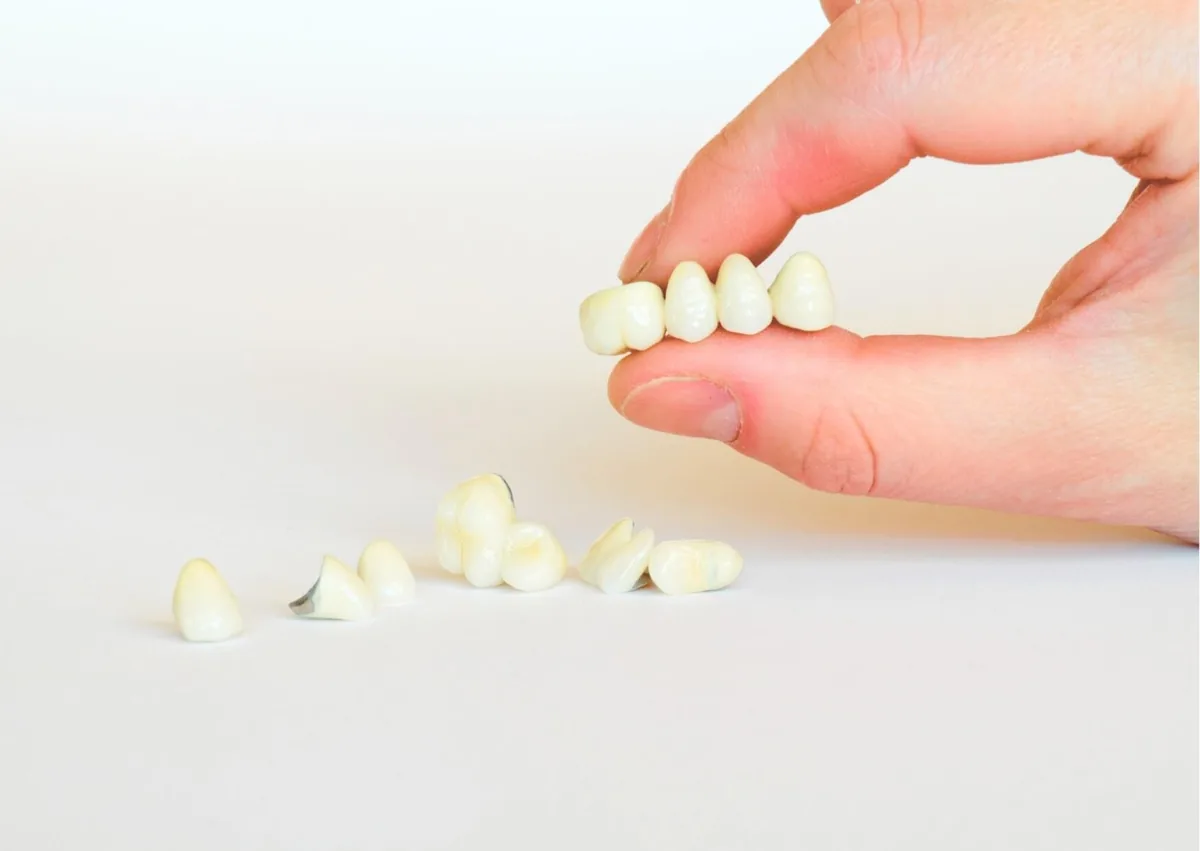
If you need a crown, the main questions are usually which material lasts, which looks most natural, and what it will cost. In the United States, dental crowns often cost about $800 to $2,500 per tooth before insurance, and the most common types are porcelain or ceramic, zirconia, porcelain-fused-to-metal, metal, and resin.
The right crown depends on where the tooth is, how much force it handles, how much healthy tooth remains, and your budget. A front tooth may favor appearance, while a back tooth may need more strength.
If you're comparing crown materials or worried about restoring a damaged tooth, crowns and bridges can protect the tooth and improve how it looks and functions. At Q & A Dental Care in Macedonia, OH, we explain the options clearly so you understand the likely benefits, limits, and fit for your smile.
A crown is a custom-made covering that fits over a damaged or weakened tooth. A dentist may recommend one for a large cavity, a cracked tooth, severe wear, a tooth with a large filling, or a tooth that has had root canal treatment.
Crowns are also used on dental implants and sometimes to improve a tooth’s shape or color when a more conservative option is not appropriate. Before recommending a crown, the dentist usually examines the tooth and gums as part of restorative dentistry and may take X-rays to check for decay, infection, or problems below the gumline.
Prices vary by region, material, and how complex the case is. The estimates below are broad per-tooth fees before insurance and usually do not include separate costs such as an exam, X-rays, buildup, root canal treatment, gum treatment, extraction, or implant placement.
|
Crown Type |
Common Advantages |
Important Limitations |
Typical Cost Before Insurance |
|---|---|---|---|
|
Porcelain or ceramic |
Natural color and translucency; often chosen for visible teeth |
May chip or fracture under heavy force; wear on the opposing tooth depends on the material and polish |
About $1,000 to $2,500 |
|
Zirconia |
Strong, tooth-colored, and useful for many front or back teeth |
Appearance varies by formulation; fit, polish, and bite adjustment matter |
About $1,000 to $2,500 |
|
Porcelain-fused-to-metal |
Combines a metal base with tooth-colored porcelain |
Porcelain can chip, and a dark edge may show near the gum over time |
About $900 to $2,400 |
|
Gold or other metal alloy |
Durable, thin, and less likely to fracture than porcelain |
Metallic appearance; cost may rise with alloy prices |
About $900 to $2,500 or more |
|
Resin or composite |
Usually less expensive and sometimes used as a temporary or selected permanent option |
Generally less wear-resistant and more likely to stain or fracture |
About $600 to $1,500 |
Material names only tell part of the story. Different ceramics and zirconia formulas vary in strength and appearance, so the dentist and lab should choose the restoration based on the specific tooth, bite, and cosmetic goals.
The final price of a crown depends on the material, the lab or in-office technology used to make it, your location, and the dentist’s clinical fee. Cost can also increase if the tooth needs additional treatment before it can safely support a crown.
A core buildup replaces missing tooth structure under the crown. A post may sometimes help retain that buildup after root canals, but a post does not strengthen the tooth and is not needed in every root canal-treated tooth; for more on healing, see root canal recovery.
Some offices use digital scans and in-office milling to make a crown in one visit. Others place a temporary crown while a lab makes the final one, which often means a second visit about two weeks later.
Dental insurance often classifies crowns as major restorative care and may pay a percentage after the deductible. Coverage may also be limited by an annual maximum, waiting period, replacement interval, missing-tooth clause, network rules, or a lower allowance for a different material.
Ask for a written treatment estimate that lists the crown and any related procedures separately. A pre-treatment estimate from the insurer can help clarify expected benefits, but it is not a guarantee of payment.
If you do not have insurance, a dental school clinic or federally qualified health center may offer lower-cost care when available. Payment plans and third-party financing can also help, but it is important to review interest rates and total repayment carefully.
The dentist numbs the area, removes decay or weakened tooth structure, and shapes the tooth. After a digital scan or impression, you may receive a temporary crown unless the final crown is made the same day.
Mild gum tenderness or temperature sensitivity can happen for a few days. Your bite should feel even after the crown is placed, and a crown that feels too high should be adjusted by a dentist rather than ignored.
A crown restores and protects a tooth, but it does not make the tooth immune to future problems. Decay can still form where the crown meets the natural tooth, and the tooth underneath can still crack or develop nerve issues.
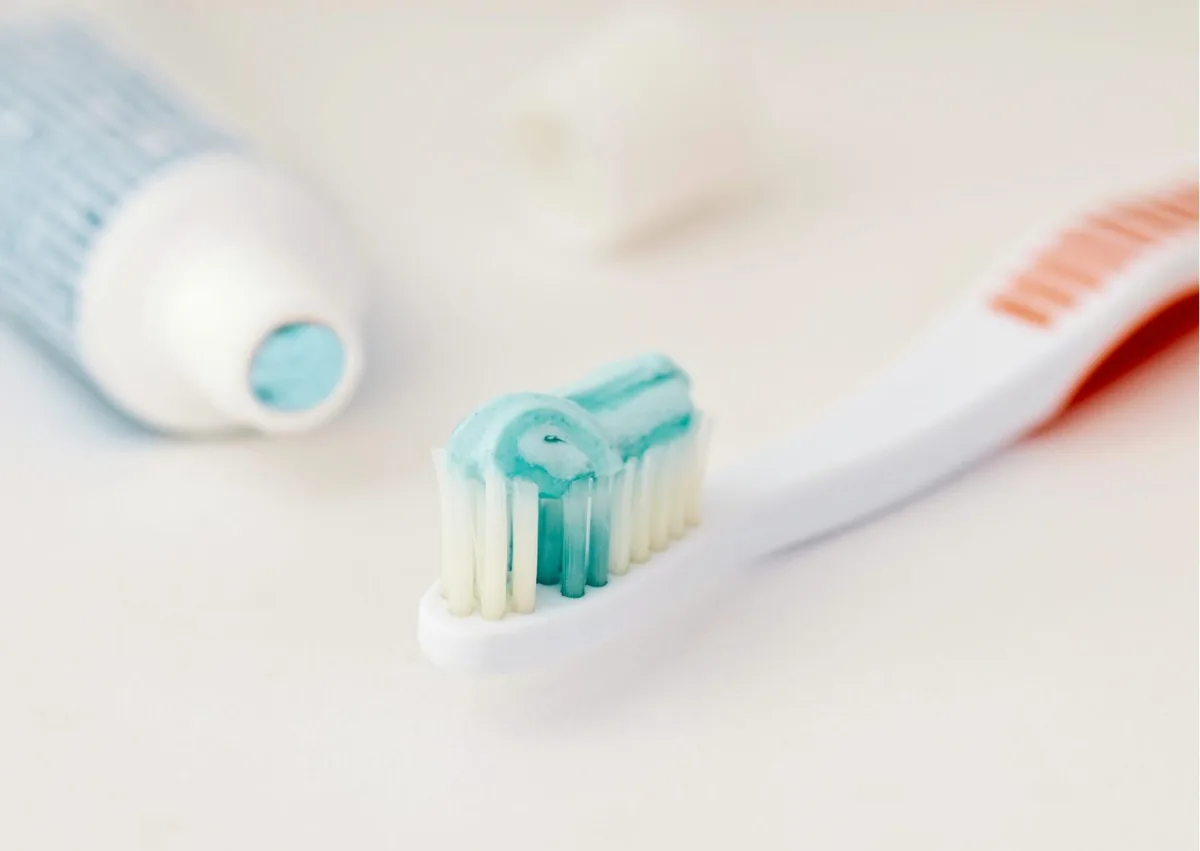
Brush twice a day with fluoride toothpaste and clean between the teeth every day, especially around the edge of the crown. If floss repeatedly catches or shreds, schedule an evaluation because the contact or margin may need attention.
Avoid chewing ice or using your teeth to open packages. If clenching or grinding is damaging your teeth or restorations, a dentist may recommend a nightguard that is fitted for your bite.
Crowns often last many years, but no restoration has a guaranteed lifespan. Regular exams can catch looseness, decay, gum inflammation, wear, or small fractures before they become harder to treat.
Arrange a dental evaluation if you have persistent pain, pain when biting, increasing sensitivity, a loose crown, a chipped crown, swelling, drainage, or a bad taste near the tooth. If a crown comes off, keep it in a clean container, avoid chewing on that side, and do not use household glue to put it back on.
Seek urgent dental or medical care for rapidly increasing facial swelling, fever with dental swelling, trouble swallowing or breathing, swelling near the eye, uncontrolled bleeding, or severe worsening pain. These symptoms may point to infection or another complication that should not wait for a routine visit.
Because crown material and total cost depend on what is happening in and around the tooth, an exam is the most reliable way to compare options. A written treatment plan should explain the recommended material, expected fees, alternatives, and what may happen if treatment is delayed.
To confirm the best material and an accurate price, arrange an evaluation so your treatment plan reflects the condition beneath the tooth. Q & A Dental Care offers crowns and bridges in Macedonia, OH, serving Glenwillow and Mayfield Heights; call (330) 888-1299 or book online to discuss options.
There is no single best crown material for every tooth. Ceramic may offer excellent appearance for a front tooth, while zirconia or metal may be better choices where chewing forces are stronger.
Resin crowns are often among the least expensive. However, they may wear, stain, or fracture sooner than other materials, so the lowest upfront price is not always the lowest long-term cost.
Many plans cover part of a crown when it is considered medically necessary, often after a deductible. Cosmetic treatment, certain materials, early replacement, or costs above the plan’s allowance may not be covered.
No. A root canal is usually recommended only when the pulp inside the tooth is irreversibly inflamed, infected, or no longer vital, not simply because a crown is being placed.
Sometimes a dentist can smooth or repair a small chip, depending on the material, location, bite, and the condition of the tooth underneath. A loose crown, major fracture, open margin, or decay under the crown may require replacement or another treatment.
| Monday | 9:00 AM – 7:00 PM |
| Tuesday | 9:00 AM – 2:00 PM |
| Wednesday | 9:00 AM – 7:00 PM |
| Thursday | 9:00 AM – 7:00 PM |
| Friday | 8:00 AM – 1:00 PM |
| Saturday | Closed |
| Sunday | Closed |