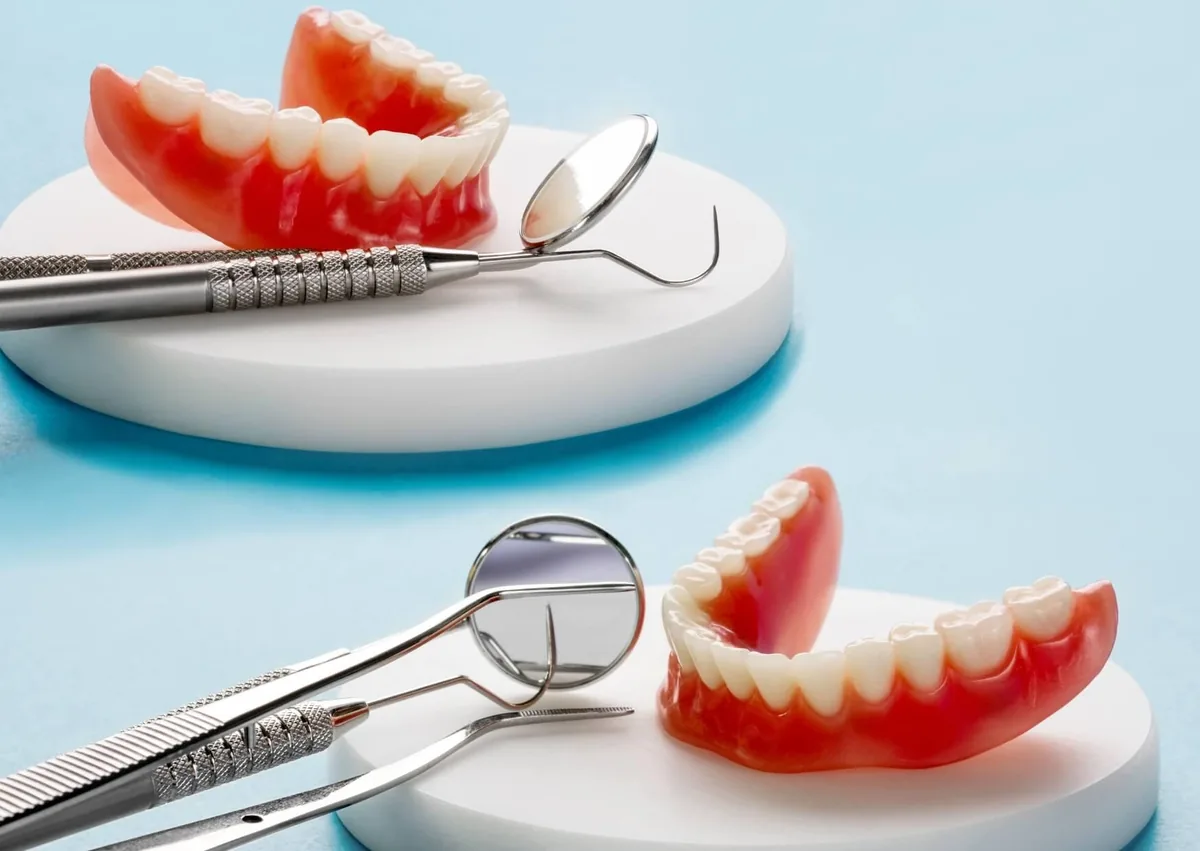
If you are researching full mouth dental implants cost, a common U.S. estimate is about $20,000 to $50,000 per arch. Replacing both arches often totals $40,000 to $100,000 or more, depending on the implant approach, materials, bone condition, and what the treatment plan includes.
These numbers are general ranges, not personal quotes. The most accurate price comes from an exam, imaging, and a written treatment plan that lists each step and fee.
If you're weighing replacement options for failing or missing teeth, learning how dental implants can restore function and appearance helps you compare costs and outcomes. Q & A Dental Care in Macedonia, OH, can explain implant types, timelines, and realistic cost expectations to help you make an informed decision.
Full mouth implant treatment usually replaces one full arch of missing or failing teeth with a bridge supported by several implants. Depending on the office and treatment plan, the quote may include the consultation, cone-beam CT imaging, extractions, implant placement, temporary teeth, final teeth, sedation, and follow-up visits.
That said, not every quote includes the same items. A lower advertised fee may cover only the implants or only a temporary restoration, so it is important to ask exactly what is included.
Ask whether the estimate covers the final prosthesis, abutments, anesthesia, bone procedures, and possible complication management. This helps you compare options fairly instead of comparing only a headline number.
|
Treatment |
General Cost Pattern |
Key Distinction |
|---|---|---|
|
Usually lower |
Snaps onto implants but must be removed for cleaning |
|
|
Fixed full-arch implant bridge |
Usually higher |
Stays attached and is removed only by a dental professional |
|
Individual implants and crowns |
Often highest for a full arch |
Replaces teeth separately and may require more implants |
The number of implants used affects both complexity and price. Some full-arch cases use four implants per arch, while others need more because of bone anatomy, bite forces, or the design of the final teeth.
Bone loss is another major cost factor. If the jaw does not have enough support, bone grafts, sinus augmentation, or other preparatory treatment may be needed before or during implant placement. Read more about bone grafting.
Your health history can also affect planning and cost. Smoking, uncontrolled diabetes, gum disease, certain medications, and prior radiation therapy may increase healing concerns or require a more cautious approach.
The material used for the final teeth matters too. Acrylic or composite teeth on a metal framework often cost less than zirconia, and lab customization, esthetic detail, and replacement policies can also change the total.
Location and provider experience also influence fees. A higher quote is not automatically better, but price alone does not show the quality of diagnosis, materials, lab work, or follow-up care.
Not every full-mouth implant option is built the same way. The design of the restoration affects comfort, cleaning, durability, and long-term maintenance costs.
A removable implant overdenture is often less expensive up front. A fixed bridge usually costs more, but many patients prefer that it stays in place and feels closer to natural teeth.
Replacing each tooth with its own implant and crown is usually the most expensive option for a full arch. It may also require more implants, more bone support, and more restorative work.
If you are still comparing replacement choices, it can help to review dental bridges and dentures alongside implant-based options. That comparison can make the cost differences easier to understand in terms of function, stability, and maintenance.
Treatment starts with a review of your medical and dental history, an exam, bite analysis, and imaging. The dental team checks bone volume, gum health, remaining teeth, smile design, and whether any health issues should be stabilized first.
Some patients need a broader treatment plan before implants move forward. In more complex cases, full mouth rehabilitation may combine several procedures and specialists in stages.
Implants and temporary teeth can sometimes be placed on the same day, but same-day teeth do not mean same-day healing. In most cases, the implants still need several months to bond with the jawbone before the final restoration is placed.
|
Stage |
What May Happen |
Typical Expectation |
|---|---|---|
|
Planning |
Examination, scans, records, cost review |
One or more visits |
|
Surgery |
Extractions, implants, possible grafting, temporary teeth |
Often one surgical visit per planned phase |
|
Healing |
Bone bonds with the implants |
Commonly several months |
|
Final restoration |
Fit, bite, appearance, and hygiene access are refined |
May require multiple appointments |
Not every patient is a candidate for immediate fixed temporary teeth. Limited bone, active infection, low implant stability, or medical concerns may make a staged plan or removable temporary denture the safer choice.
Dental insurance may help with parts of treatment such as extractions, imaging, dentures, or a portion of the implant process. Even so, annual maximums and exclusions often leave a significant out-of-pocket balance.
Medical insurance sometimes helps when treatment is tied to trauma, tumors, or a qualifying reconstructive need. Routine tooth replacement is usually handled as dental care rather than medical care.
Before you agree to treatment, ask for an itemized estimate. It should clearly show what is included and what could add cost later.
Ask whether the quote includes:
Financing can make treatment more manageable, but review the annual percentage rate, deferred-interest terms, fees, and total repayment amount. Be cautious with any quote offered without an in-person exam or without a clear description of the final restoration.
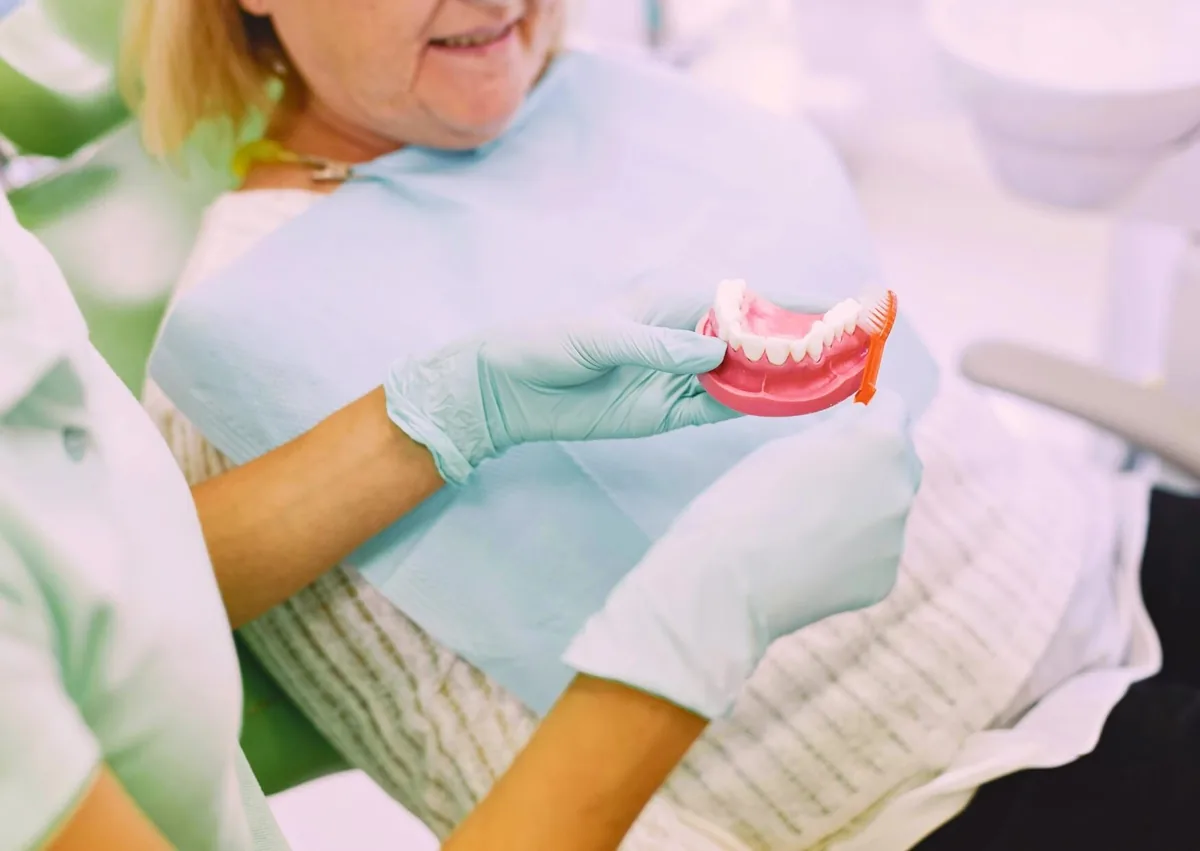
Implants do not get cavities, but the gums and bone around them can still become inflamed or infected. Good home care, professional maintenance, and periodic imaging help reduce the risk of peri-implant disease.
The American Academy of Periodontology outlines common risk factors such as smoking, poor plaque control, and a history of periodontal disease. Those factors can affect long-term implant health and future maintenance needs.
Your dental team may recommend a water flosser, interdental brush, or specialized floss based on the bridge design. Avoid tobacco, follow food guidelines during healing, and wear a night guard if grinding or clenching is a concern.
Implants can last many years, but no restoration is guaranteed for life. Teeth, screws, or other components may wear, chip, loosen, or need replacement, so ask about expected maintenance costs and warranty limits before treatment begins.
Schedule an implant evaluation if many teeth are missing, painful, loose, or no longer restorable, or if dentures feel unstable. Ongoing tooth pain, swelling, drainage, bad taste, bleeding gums, or trouble chewing should also be checked even if you have not decided on implants yet.
After implant surgery, contact the treating office promptly for worsening pain or swelling, persistent bleeding, fever, pus, a loose implant or bridge, or numbness that is new or not improving as expected. Seek emergency care right away for trouble breathing or swallowing, rapidly spreading swelling of the face or neck, or uncontrolled bleeding.
A full evaluation is the safest way to compare options, identify risks, and get a realistic full mouth dental implants cost based on the exact treatment you need.
To get a personalized estimate and a clear treatment plan, schedule a dental implant consultation so the team can review your exam, imaging, and options. Q & A Dental Care specializes in dental implants in Macedonia, OH and serves patients from Twinsburg and Aurora; call (330) 888-1299 to schedule an appointment.
Often, yes. A fixed full-arch bridge usually uses several strategically placed implants rather than one implant for every missing tooth, which may reduce surgical and restorative costs.
Original Medicare generally does not cover routine dental implants. Coverage may differ under some Medicare Advantage plans, so review the plan's dental benefits, exclusions, network requirements, and annual limits.
Implants and temporary teeth may sometimes be placed in one day. Healing continues for months, and the final restoration is usually delivered only after the implants have integrated and the bite and tissues are stable.
Cost alone cannot establish safety or quality. Compare the diagnosis, clinician credentials, implant components, final materials, hygiene design, follow-up plan, and all included fees before deciding.
Implants may remain functional for many years with appropriate care, but outcomes vary with health, smoking, hygiene, bite forces, and maintenance. The attached bridge may need repair or replacement sooner than the implants themselves.
| Monday | 9:00 AM – 7:00 PM |
| Tuesday | 9:00 AM – 2:00 PM |
| Wednesday | 9:00 AM – 7:00 PM |
| Thursday | 9:00 AM – 7:00 PM |
| Friday | 8:00 AM – 1:00 PM |
| Saturday | Closed |
| Sunday | Closed |