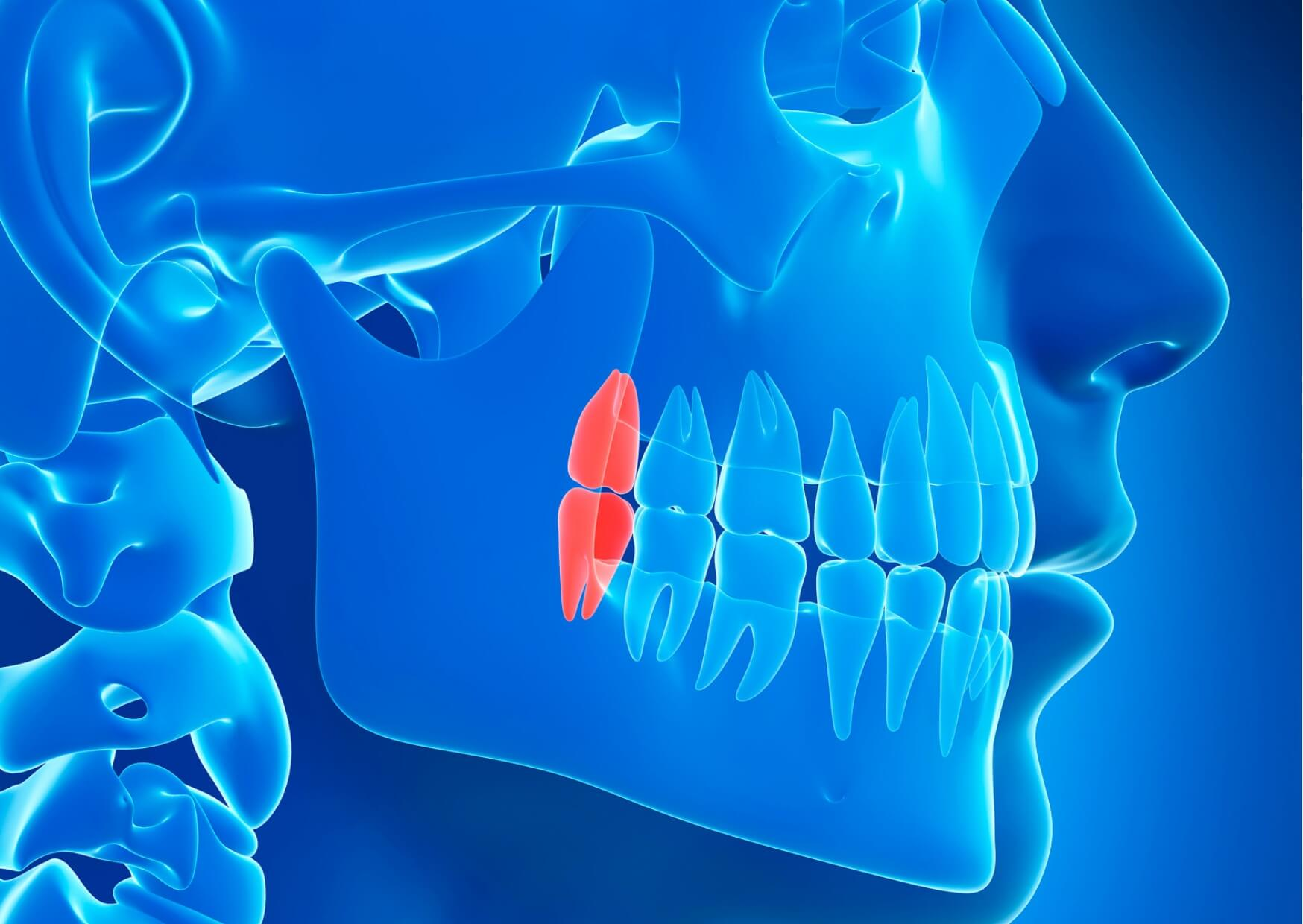
If a wisdom tooth has started to break through the gums, it may come in over several weeks to several months. In some cases, it only partially erupts and then stops.
That timeline varies because wisdom teeth are the last adult teeth to emerge, usually in the late teens or twenties. By then, there may not be enough room in the jaw, and the tooth may come in at an angle, stay trapped under gum tissue, or press against the tooth in front of it. This pattern of wisdom teeth eruption can look very different from person to person.
Q & A Dental Care in Macedonia, OH provides general dentistry exams and X-rays to evaluate erupting wisdom teeth and determine the best next steps.
A wisdom tooth usually does not erupt in one smooth motion. It often moves in small stages, so symptoms may flare up for a few days, settle down, and then return later.
Common early signs include gum soreness behind the last molar, pressure in the back of the jaw, mild swelling, and irritation when chewing. Some people also notice a flap of gum tissue over part of the tooth.
That flap can trap food and bacteria, which may make the area more tender. Mild discomfort can be part of a normal eruption. But severe pain, a bad taste, pus, or trouble opening the mouth is not something to ignore.
The biggest factor is space. If there is enough room in the jaw, a wisdom tooth may come in more predictably. If space is limited, an eruption may be slow, partial, or blocked.
The angle of the tooth also matters. A tooth that is upright has a better chance of erupting normally. One that tilts forward, backward, or sideways may get stuck.
Dentists call this an impacted wisdom tooth, which means the tooth cannot fully erupt into a normal position. Gum and bone coverage can also slow the process. Some wisdom teeth stay partly covered for a long time, which can lead to repeated irritation without full eruption.
A partially erupted wisdom tooth is common. This means part of the tooth is visible, but the rest remains under the gum or bone.
This matters because the area is hard to clean. Food debris and bacteria can collect under the gum flap, leading to inflammation around the tooth. Dentists often call this pericoronitis, which is swelling or infection of the gum tissue around an erupting tooth.
Partial eruption can also raise the risk of decay in the wisdom tooth or the molar next to it. A tooth that seems "stuck" for months should not be assumed to be harmless.
If the tooth has started erupting but does not seem to be progressing, schedule an exam and X-rays are usually the clearest way to find out what is happening.
Mild tenderness, pressure, and temporary gum irritation may happen as a wisdom tooth erupts. These symptoms often come and go rather than staying constant.
The concern changes when pain becomes stronger, more frequent, or harder to explain. A wisdom tooth that repeatedly swells or traps debris can become a bigger problem even if the pain is not constant.
If there is facial swelling, fever, or difficulty swallowing, seek urgent dental care promptly. Those signs can point to a spreading infection that needs timely professional assessment. Read more about emergency dental care for guidance on when to seek immediate attention.

A dentist can often see signs of eruption during an exam, but dental X-rays show the full picture. They can reveal whether the wisdom tooth is upright, angled, trapped under bone, or pushing against the second molar.
This matters because symptoms alone do not always show how much room the tooth has. Some teeth cause very little discomfort even when they are unlikely to erupt properly. Others feel sore for a while and then settle without needing treatment.
The exam also checks for gum infection, tooth decay, and damage to the neighboring molar. That is especially important when the tooth has been partly erupted for a while.
Not every erupting wisdom tooth needs to be removed. If the tooth is coming in normally, there is enough space, and the area can be kept clean, a dentist may simply monitor it.
If the tooth is partly erupted and repeatedly inflamed, treatment may focus on controlling the immediate problem and deciding whether the tooth is likely to function well long term. In some cases, wisdom tooth removal is recommended because the tooth is impacted, difficult to clean, or damaging nearby tissues. Learn more in our wisdom teeth removal guide.
For details about what to expect during removal, see our tooth extraction process guide. The right choice depends on the tooth position, symptoms, oral hygiene access, and X-ray findings.
Many people expect a wisdom tooth to come in like a front tooth did in childhood, but that is usually not how it feels. The process is often uneven, with stretches of no change followed by a few days of pressure or gum irritation.
If the area is only mildly sore, keeping the mouth clean and avoiding repeated trauma from hard or sharp foods may help reduce irritation. Still, home care cannot tell you whether the tooth has enough room to erupt fully.
If symptoms keep cycling back, that pattern is useful information. Recurrent pain often means the area deserves a closer look rather than more waiting.
You cannot safely speed up wisdom tooth eruption at home. What you can do is reduce avoidable irritation and watch for changes.
Good brushing, careful cleaning around the back molars, and routine dental visits can help lower the risk of trapped plaque and gum inflammation. If the area is hard to reach, that alone is a practical reason to ask a dentist whether the tooth is likely to become a repeated problem.
A wisdom tooth that has just started coming in may be harmless, slow, or headed toward impaction. If the timeline feels unusually long, the pain is increasing, or the area keeps swelling, a dental exam can clarify what stage the tooth is in and what to do next.
If you're in Macedonia, OH or nearby Glenwillow or Mayfield Heights, Q & A Dental Care's general dentistry team can help. Call (330) 888-1299 to schedule an exam.
Yes. Some wisdom teeth erupt very slowly over a long period, and some never fully erupt at all. A tooth that stays partly erupted for a long time should be evaluated because it may be harder to clean and more prone to infection.
Mild soreness or pressure can happen, but throbbing pain should not be dismissed if it is strong, persistent, or getting worse. It may signal inflammation, infection, or pressure from an impacted tooth.
Eruption may cause mild tenderness, but infection is more likely when there is worsening swelling, drainage, a bad taste, fever, or difficulty opening the mouth. If the difference is unclear, a dental exam is the safest next step.
Yes. A wisdom tooth may partially erupt and then stop if there is not enough room or if the angle is unfavorable. This is a common pattern with impacted or partially impacted teeth.
Not always. On-and-off pain can still mean the tooth is partly trapped under gum tissue or difficult to clean. If symptoms keep returning, it is reasonable to have the area checked before it turns into a more urgent problem. If you’re wondering whether extraction is likely, our article on signs for extraction explains typical indicators.
| Monday | 9:00 AM – 7:00 PM |
| Tuesday | 9:00 AM – 2:00 PM |
| Wednesday | 9:00 AM – 7:00 PM |
| Thursday | 9:00 AM – 7:00 PM |
| Friday | 8:00 AM – 1:00 PM |
| Saturday | Closed |
| Sunday | Closed |