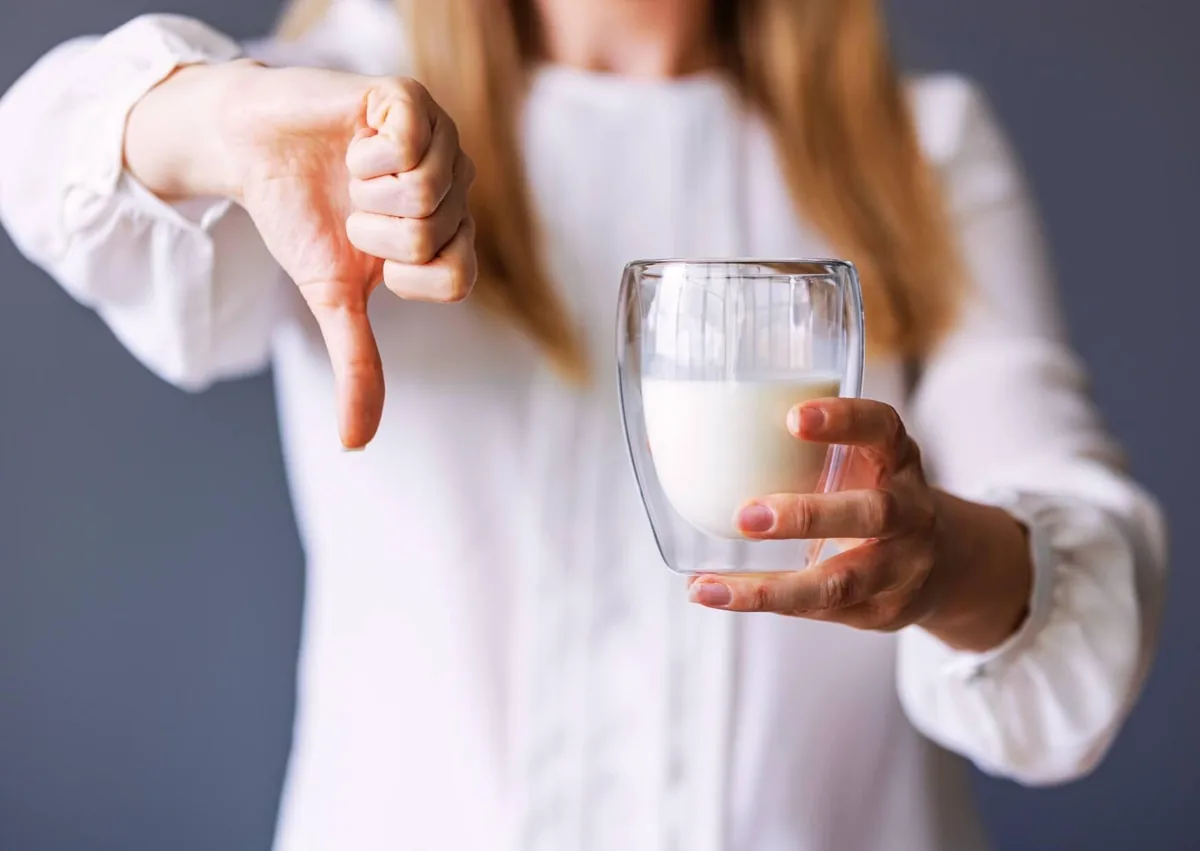
Many patients are told to avoid dairy after implant surgery, but dairy usually does not harm the implant itself. The advice is often temporary and is more commonly related to nausea, food texture, medication instructions, or keeping the surgical area clean, so follow the specific directions from your implant dentistry team.
If you're deciding whether to proceed with tooth replacement or managing post-surgical concerns after implant placement, guidance specific to dental implants can clarify dietary and healing steps. Q & A Dental Care in Macedonia, OH will explain what to expect and which foods and precautions help smooth recovery.
The most common reason is stomach upset. Sedation, swallowed blood, and pain medicine can all cause nausea, and rich foods like milkshakes or ice cream may make that worse during the first several hours.
Texture is another concern. Yogurt with seeds, ice cream with mix-ins, or cottage cheese curds can collect near the incision and irritate the area.
Because implant placement is an oral surgery procedure, many dentists give conservative food instructions for the first day. The concern is usually not that milk causes infection or stops healing, and pasteurized dairy is not known to interfere with osseointegration, the process that helps bone attach to dental implants.
There is no single waiting period for every patient. Some people are told to avoid dairy only for a few hours, while others may be asked to wait until the next day or longer depending on sedation, medications, bone grafting in dental implants, or the complexity of the procedure.
If your instructions are unclear, call the dental office and ask before reintroducing dairy. Your surgeon's directions matter more than general online advice.
|
Situation |
Practical Approach |
|---|---|
|
Nausea after sedation |
Start with water and bland soft foods, then add dairy after your stomach settles |
|
Written instruction to avoid dairy |
Follow the stated timeline and call if the timing is unclear |
|
No dairy restriction given |
Smooth, pasteurized dairy may be acceptable if it does not require chewing |
|
Dairy allergy or intolerance |
Choose a smooth nondairy alternative you already tolerate |
Do not stop a prescribed medicine on your own because the label mentions food or dairy. A pharmacist or prescribing clinician can explain whether it should be separated from calcium-containing foods.
Choose foods that are soft, smooth, and easy to swallow. Good options include applesauce, mashed potatoes, smooth oatmeal, lukewarm blended soup, scrambled eggs, avocado, tofu, and smooth nondairy yogurt without seeds or crunchy toppings.
Avoid foods that are hard, sticky, sharp, spicy, or crumbly. These can disturb the surgical site or leave particles behind.
Do not chew directly on the implant side while the area is tender. Also avoid using a straw, because suction can irritate the wound and may disrupt early healing.
Mild swelling, soreness, bruising, and light oozing are common after surgery. Swelling often peaks around day two or three and then gradually improves.
Follow the cleaning and pain-control instructions from your dental team. Avoid smoking, vaping, vigorous rinsing, and forceful spitting unless your dentist says otherwise.
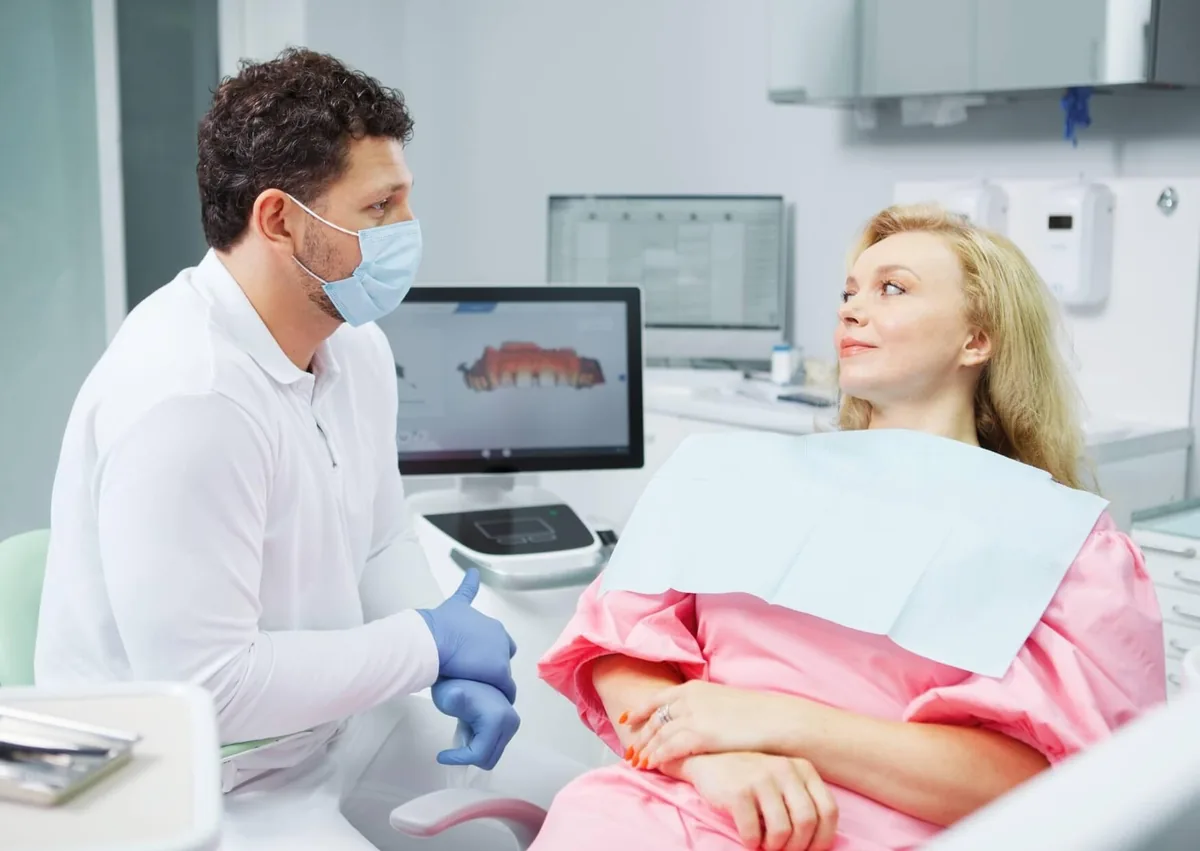
Patients often worry that dairy feeds bacteria or causes implant failure. In most cases, that is not the reason for the restriction.
Infection risk is more closely related to the surgical site, oral hygiene, smoking, medical conditions, and whether food debris gets trapped near the incision. Smooth, pasteurized dairy is generally not considered a direct threat to implant healing when your dentist has not restricted it.
Call the office if pain or swelling gets worse after first improving, bleeding continues, you notice drainage or a bad taste, or the implant or healing cap feels loose. You should also call if numbness does not improve as expected or if vomiting keeps you from holding down fluids.
Seek urgent medical care for trouble breathing or swallowing, rapidly increasing facial or neck swelling, uncontrolled bleeding, or signs of a severe allergic reaction. Severe, worsening, or unclear symptoms should always be evaluated promptly.
Questions about dairy are best answered by your written post-op instructions and the treating dentist's advice. Recommendations can vary based on sedation, grafting, and the location of the implant.
If you need personalized post-op instructions or evaluation for healing concerns, contacting the implant team can quickly resolve uncertainties and prevent complications. Call Q & A Dental Care for dental implants in Macedonia, OH and nearby Twinsburg or Aurora at (330) 888-1299 to schedule an appointment.
Pasteurized milk is not generally considered a direct cause of implant infection. Infection risk is more closely related to bacteria at the surgical site, wound care, smoking, health conditions, and other clinical factors.
Smooth, pasteurized yogurt may be acceptable if your dentist did not restrict dairy and you are not nauseated. Avoid yogurt with seeds, granola, nuts, or fruit pieces that could lodge near the incision.
Plain, smooth ice cream may feel soothing, but it can worsen nausea for some people. Do not eat it if your post-op instructions specifically say to avoid dairy.
Smooth nondairy products may be a good option if they do not contain seeds, nuts, or coarse pieces. Choose pasteurized products when applicable, avoid straws, and check labels for ingredients that conflict with allergies or other dietary restrictions.
| Monday | 9:00 AM – 7:00 PM |
| Tuesday | 9:00 AM – 2:00 PM |
| Wednesday | 9:00 AM – 7:00 PM |
| Thursday | 9:00 AM – 7:00 PM |
| Friday | 8:00 AM – 1:00 PM |
| Saturday | Closed |
| Sunday | Closed |