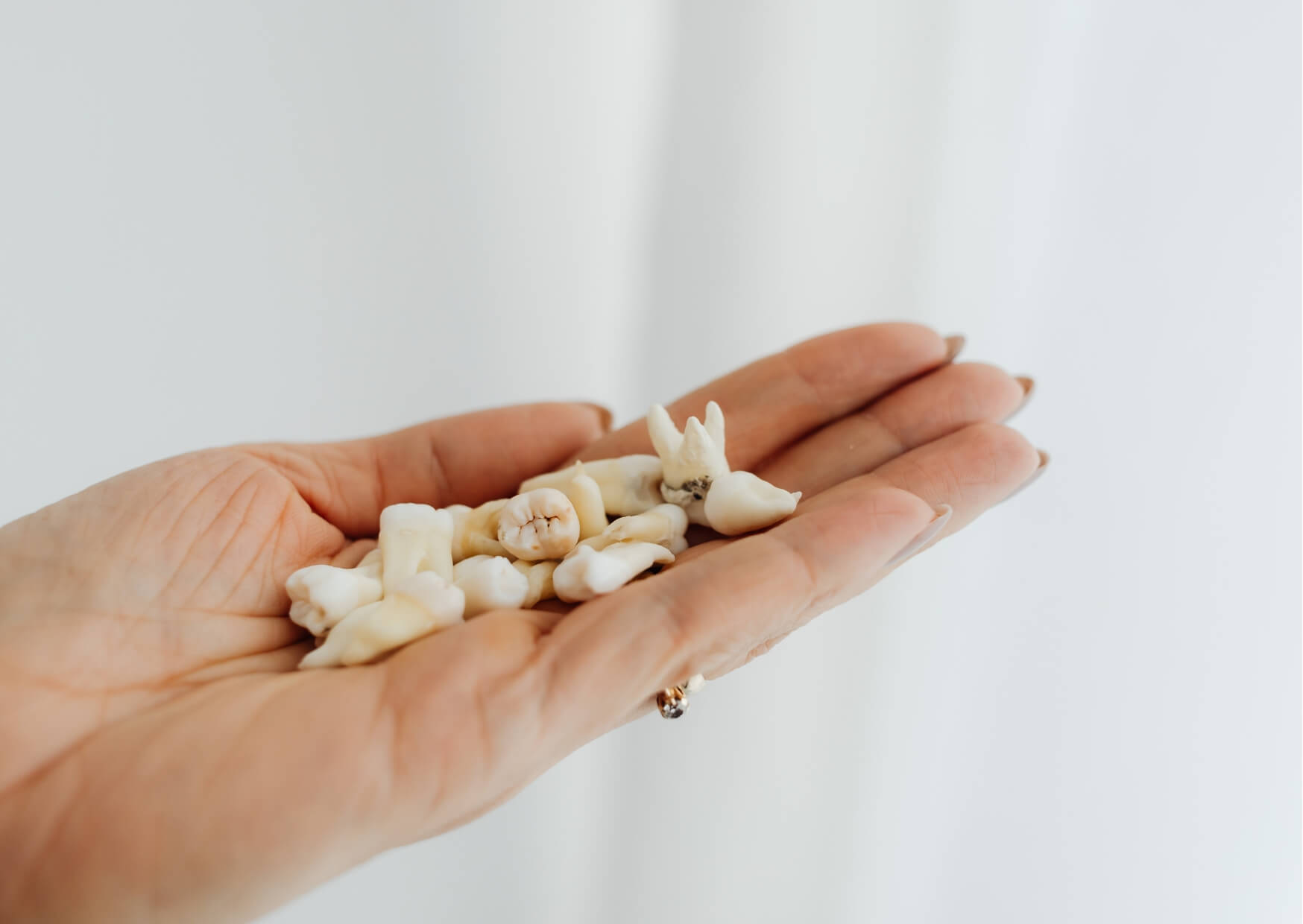
If an adult tooth feels loose, take it seriously. Unlike baby teeth, permanent teeth are meant to stay stable for life, so movement often means the bone, gums, or ligament supporting the tooth has been affected.
In many cases, a loose adult tooth is linked to gum disease, trauma, heavy grinding, or infection. Sometimes the tooth can be stabilized, but the cause matters more than the looseness itself.
Q & A Dental Care in Macedonia, OH provides emergency dentistry for the kinds of loose-tooth concerns described here.
The most common cause is gum disease, also called periodontal disease. It happens when plaque and bacteria inflame the gums and gradually damage the ligament and bone that hold the tooth in place.
That is why periodontics focuses on diagnosing and treating conditions that weaken tooth support. Early gum disease may cause bleeding, puffiness, or bad breath.
As gum disease progresses, the gums can pull away from the teeth and bone support can shrink. Over time, teeth may begin to shift or feel loose.
Another common cause is trauma. A fall, sports injury, biting something hard, or a car accident can injure the structures around a tooth, sometimes even without obvious bleeding.
Teeth can also loosen from repeated bite stress. Clenching and grinding, also called bruxism, can overload certain teeth over time, especially if there is already bone loss or an uneven bite.
Infection is another possibility. A deep infection near the root or in the gum tissue can weaken support and cause pressure, tenderness, or swelling.
Less often, a loose tooth may be related to a root fracture, advanced decay below the gumline, or changes after orthodontic treatment. In some cases, health conditions that affect bone or inflammation may also play a role, but the dental exam usually identifies the local cause first.
A loose tooth may come with soreness when chewing, gum bleeding, swelling, or the feeling that the tooth is taller than the others. Some people notice a change in how their teeth fit together before they notice the movement itself.
If gum disease is involved, there may be chronic bad breath, gum recession, or spaces opening between teeth. Teeth may also drift, flare outward, or trap food more easily. If infection is the cause, pain may be throbbing or constant. A gum abscess may look like a pimple on the gum and can come with swelling, drainage, or a bad taste.
After trauma, the tooth may feel tender to touch or pressure. It may also look slightly out of position, darker than nearby teeth, or sensitive to cold. Not every loose tooth is painful. That is one reason people sometimes delay care, even when the supporting structures are actively being damaged.
Some situations need quick treatment. If the tooth becomes loose after an injury, same-day or next-day dental care is a good idea because the tooth may be displaced, fractured, or at risk of losing blood supply.
For immediate evaluation and prompt treatment, consider emergency dentistry.
Seek urgent care if there is facial swelling, pus, fever, or severe pain. These signs may point to an infection that needs prompt evaluation.
Rapidly increasing looseness also matters. If the tooth suddenly feels much more mobile, especially with bite changes or visible movement, the support around it may be unstable.
If swallowing is difficult, the face is swelling, or breathing feels affected, that goes beyond routine dental scheduling and needs immediate medical attention.
The exam usually starts with how much the tooth moves and whether nearby teeth are affected. A dentist will also look at the gums and check for plaque buildup, recession, periodontal pockets, or signs of infection.
X-rays help show the level of bone support, the shape of the root, and whether there is decay, a fracture, or an abscess. In trauma cases, more than one X-ray angle may be needed because some root injuries are easy to miss.
The bite matters too. If one tooth is taking too much force, that can worsen mobility and discomfort.
Sometimes the tooth itself is still healthy, but the surrounding support has been damaged. In other cases, the nerve inside the tooth may also be injured, which changes the treatment plan.
Treatment depends on why the tooth is loose and how much support remains. There is no single fix that works for every case.
If gum disease is the cause, treatment often focuses on removing bacterial buildup below the gums and controlling inflammation. This may include deep cleaning below the gumline, better home care, and follow-up periodontal treatment.
If trauma caused the movement, the tooth may sometimes be stabilized with a temporary splint. This attaches the tooth to nearby teeth for support while the tissues heal.
If infection is present, the source has to be treated. Depending on the tooth, that may involve drainage, root canal treatment, periodontal care, or, in some cases, removal of a tooth that cannot be predictably restored.
If grinding or bite overload is contributing, the dentist may recommend adjusting the bite or protecting the teeth from clenching forces. That can be especially important when looseness is mild and the goal is to prevent further damage.
Sometimes a loose tooth can be saved. Sometimes the damage to the bone or root is too advanced, and tooth extraction becomes the safer option.
A clear diagnosis is what separates those paths.
Try not to wiggle the tooth to test it. Repeated movement can irritate the ligament and may make the problem worse.
Avoid chewing on that side, especially hard or crunchy foods. Softer foods and gentle brushing around the area are usually reasonable until the tooth is evaluated.
Keep the mouth as clean as possible, but do not try to push the tooth back into place or perform any home procedure. If the looseness followed trauma or comes with swelling or significant pain, arrange care promptly rather than waiting to see if it settles.
General comfort measures may help temporarily, but they do not replace a diagnosis. A loose permanent tooth is a structural problem until proven otherwise.
Sometimes, yes. A tooth that is mildly loose from inflammation, bite trauma, or a limited injury may become firmer after the underlying problem is treated.
The outlook depends on how much bone support remains and whether the root is cracked or the nerve has been damaged. Teeth loosened by advanced periodontal disease are often harder to stabilize because support has already been lost.
This is one area where timing matters. Earlier treatment usually gives the tooth a better chance.
The best prevention is keeping the gums and bone healthy. That means consistent brushing, cleaning between the teeth, and regular dental checkups so gum disease can be caught before bone loss develops.
If grinding is part of the problem, protecting the teeth from repeated overload can make a real difference. For active patients, a sports mouthguard is also worth taking seriously because trauma is a common and preventable reason for sudden tooth mobility.
If a tooth already feels loose, prevention shifts to prompt evaluation. The sooner the cause is identified, the more treatment options are usually available.
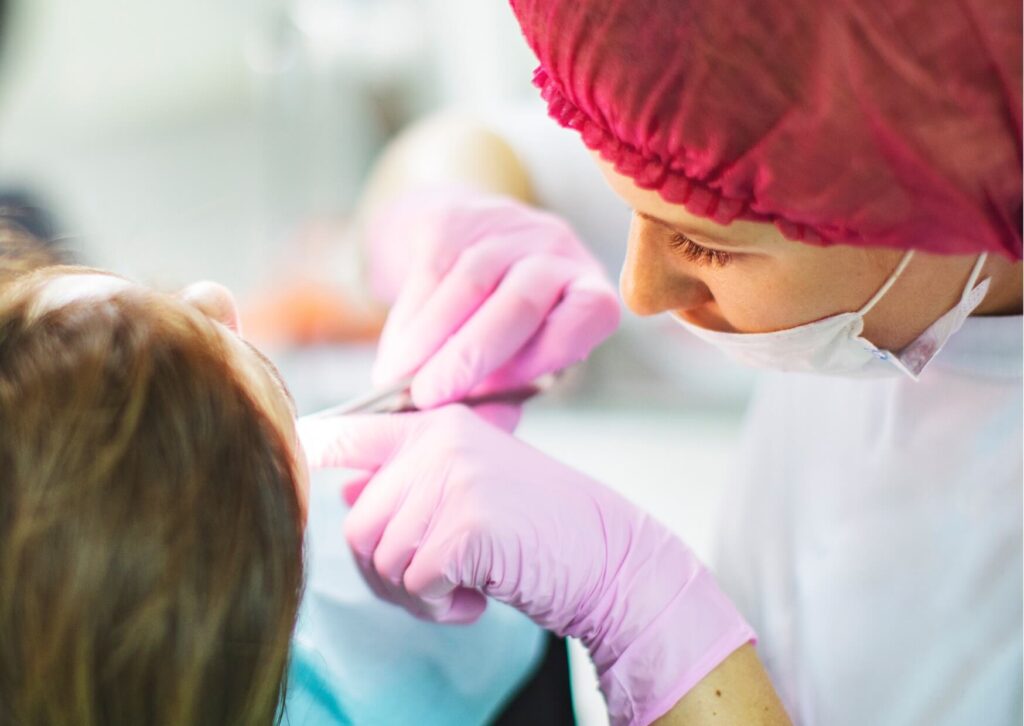
If you are dealing with a tooth that moves, hurts, or feels different when you bite, scheduling a dental exam is the safest next step. That visit can show whether the problem is minor and reversible or a sign that the tooth needs urgent treatment to avoid further loss.
Q & A Dental Care in Macedonia, OH offers emergency dentistry with same-day availability for patients from nearby areas like Mayfield Heights and Sagamore Hills; call (330) 888-1299 to schedule.
Stress itself does not usually loosen a tooth directly, but stress-related clenching and grinding can increase pressure on the supporting structures. If there is already gum disease or bone loss, that extra force may make mobility more noticeable.
No. Gum disease is common, but trauma, infection, bite overload, and root fracture can also cause a tooth to loosen.
In many cases, yes. The chance of saving the tooth depends on the cause, how mobile it is, and how much bone and root support remain.
Urgent dental care is a good idea if the tooth became loose after injury or if there is swelling, pus, fever, severe pain, or sudden worsening. If breathing or swallowing is affected, seek immediate medical care.
| Monday | 9:00 AM – 7:00 PM |
| Tuesday | 9:00 AM – 2:00 PM |
| Wednesday | 9:00 AM – 7:00 PM |
| Thursday | 9:00 AM – 7:00 PM |
| Friday | 8:00 AM – 1:00 PM |
| Saturday | Closed |
| Sunday | Closed |